About Zecharia Sitchin
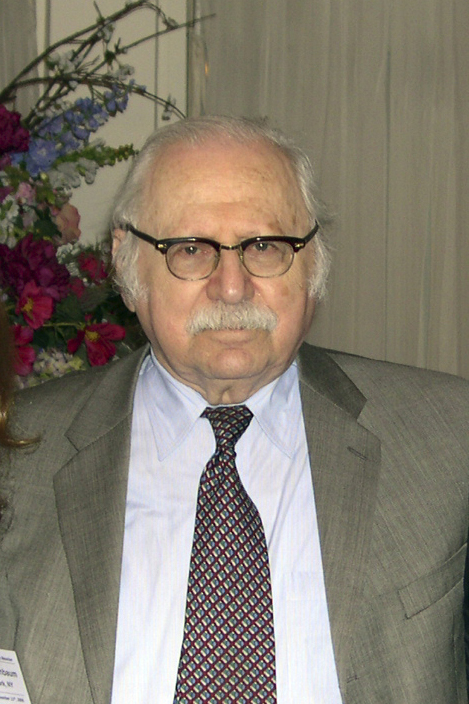
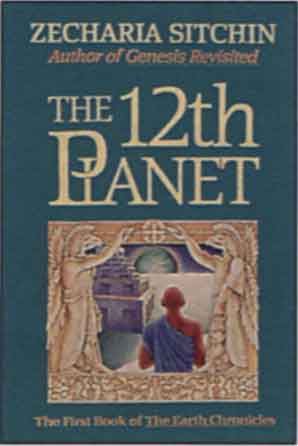
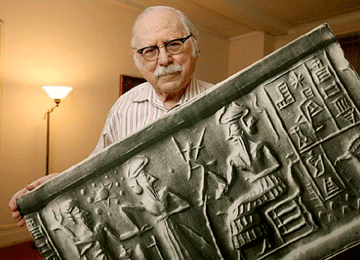
One of the few scholars able to read and interpret ancient Sumerian and Akkadian clay tablets, Zecharia Sitchin (1920-2010) based his bestselling The 12th Planet on texts from the ancient civilizations of the Near East. Drawing both widespread interest and criticism, his controversial theories on the Anunnaki origins of humanity have been translated into more than 20 languages and featured on radio and television programs around the world.
Links to Recent Interviews or Appearances
UFOs: The Lost Evidence - Episode 4 - April 15, 2017 - American Heroes Channel and available on Amazon Video
Blog Talk Radio - Voice of Olympus - July 25, 2016
Slooh.com and The canary Islands Observatory - January 23, 2016
Far Out Radio - December 28, 2015
The Conspiracy Show With Richard Syrett - November 22, 2015
The Mind's Eye radio - October 21, 2015
Blog Talk Radio - Earth Ancients Radio - August 8, 2015 - about 10 minutes into the broadcast
 Send email to Webmaster Please note that we are saddened that Zecharia passed away in October 2010. As a result, he is unable to reply personally to your inquiries. Please use this email to send information to the web master and to those handling his business issues. It will be forwarded to the appropriate parties. This cylinder seal, VA-243 in the Berlin Near Eastern Museum, shows the sun in the center (!), surrounded by eleven orbiting bodies that include the Moon, Pluto and the yet to be recognized Planet X -- Nibiru. 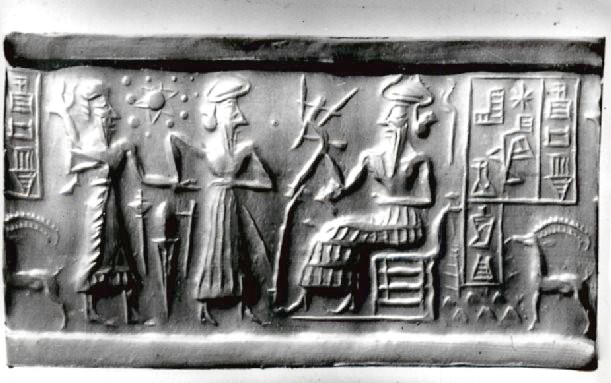
|
||||||||||||||||||||||||||||||||||||||||||||||||||||||||||||||||||||||||||||||||||||||||||||||||||||||||||||||||||||||||||||||||||||||||||||||||||||||||||||||||||||||||||||||||||||||||||||||||||||||||||||||||||||||||||||||||||||||||||||||||||||||||
|
| ||||||||||||||||||||||||||||||||||||||||||||||||||||||||||||||||||||||||||||||||||||||||||||||||||||||||||||||||||||||||||||||||||||||||||||||||||||||||||||||||||||||||||||||||||||||||||||||||||||||||||||||||||||||||||||||||||||||||||||||||||||||||
| In the Jewish tradition, we honor the Yartzeit of an individual, that is, the anniversary of the day they passed away. According to an article by Lori Palatnik on aish.com, The ABCs of Death and Mourning: | ||||||||||||||||||||||||||||||||||||||||||||||||||||||||||||||||||||||||||||||||||||||||||||||||||||||||||||||||||||||||||||||||||||||||||||||||||||||||||||||||||||||||||||||||||||||||||||||||||||||||||||||||||||||||||||||||||||||||||||||||||||||||
It is significant to note that in Judaism we downplay birthdays, never commemorating the date of birth of one who has passed away, yet we are careful to mark the anniversary of someone's death. |
||||||||||||||||||||||||||||||||||||||||||||||||||||||||||||||||||||||||||||||||||||||||||||||||||||||||||||||||||||||||||||||||||||||||||||||||||||||||||||||||||||||||||||||||||||||||||||||||||||||||||||||||||||||||||||||||||||||||||||||||||||||||
|
We are approaching the 11th Yartzeit of Zecharia Sitchin, who passed away on October 9, 2010. In the Jewish tradition, we commemorate the actual day on the Hebrew calendar, which was the 1st of Cheshvan, which this year falls on October 5, 2021. We have made October 9 Sitchin Studies Day for the last few years and asked that he be honored by you with your reading and discussions on his research and writing. Fortunately for us, we have the addition of a new video, the first in a series. If you never had a chance to travel with him, you will feel as if you were there. If you were one of those fortunate enough to go on his tours, you will feel as if you were there again. The details are in the next article. |
||||||||||||||||||||||||||||||||||||||||||||||||||||||||||||||||||||||||||||||||||||||||||||||||||||||||||||||||||||||||||||||||||||||||||||||||||||||||||||||||||||||||||||||||||||||||||||||||||||||||||||||||||||||||||||||||||||||||||||||||||||||||
| J. Sitchin - October 5, 2021 | ||||||||||||||||||||||||||||||||||||||||||||||||||||||||||||||||||||||||||||||||||||||||||||||||||||||||||||||||||||||||||||||||||||||||||||||||||||||||||||||||||||||||||||||||||||||||||||||||||||||||||||||||||||||||||||||||||||||||||||||||||||||||
|
| ||||||||||||||||||||||||||||||||||||||||||||||||||||||||||||||||||||||||||||||||||||||||||||||||||||||||||||||||||||||||||||||||||||||||||||||||||||||||||||||||||||||||||||||||||||||||||||||||||||||||||||||||||||||||||||||||||||||||||||||||||||||||
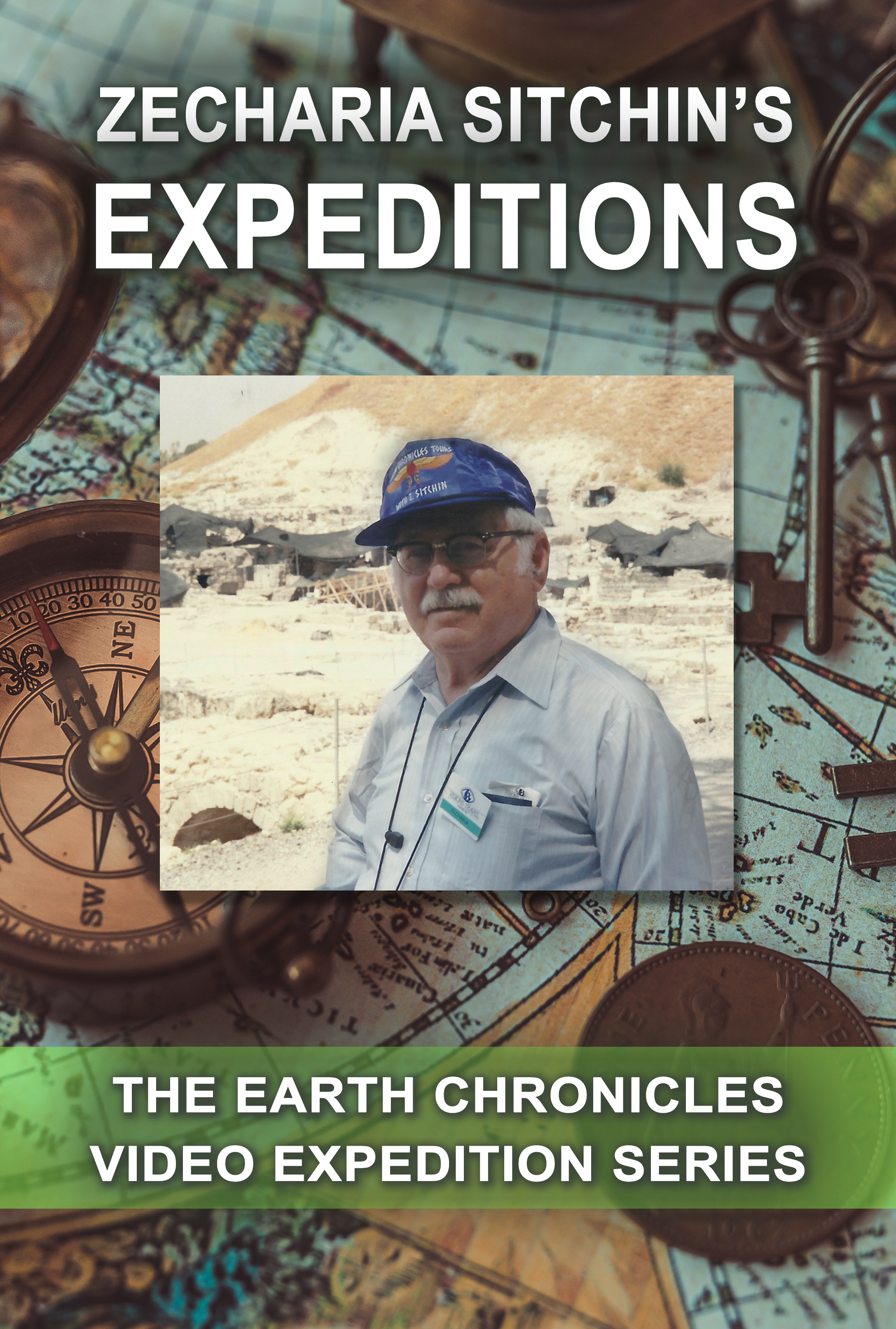 Zecharia Sitchin's Expeditions |
Coinciding with Sitchin Studies Day and our annual rememberance of Zecharia Sitchin, a new video is being announced. This is the first in a series of videos which takes you along with Zecharia Sitchin on the tours he gave in the 1990s and early 2000s. As part of his research, Sitchin traveled extensively, visiting ancient sites and museums around the world. He began taking groups along on these expeditions, where he would explore civilizations from antiquity. He was tour guide, friend, and teacher to those fortunate ones who accompanied him. There were eleven expeditions in total, which became known as "The Earth Chronicles Expeditions" (also the title of one of his books). Recordings were made during these expeditions by those attending. Some of this footage was made available and turned into compelling video accounts. It will take time to compile the footage and to create the films. We will certainly let you know when new features become available. For now, the first video in this series is available to view beginning on October 9. It contains chapter one (of four) covering the expedition to Turkey and a range of topics and sites from Troy to the Hittites and includes museum visits where Zecharia Sitchin talks about ancient artifacts. You will feel as if you are there as part of the tour while watching. After October 9, to learn more, click here: The Sitchin Archives |
|||||||||||||||||||||||||||||||||||||||||||||||||||||||||||||||||||||||||||||||||||||||||||||||||||||||||||||||||||||||||||||||||||||||||||||||||||||||||||||||||||||||||||||||||||||||||||||||||||||||||||||||||||||||||||||||||||||||||||||||||||||||
| J. Sitchin - October 5, 2021 | ||||||||||||||||||||||||||||||||||||||||||||||||||||||||||||||||||||||||||||||||||||||||||||||||||||||||||||||||||||||||||||||||||||||||||||||||||||||||||||||||||||||||||||||||||||||||||||||||||||||||||||||||||||||||||||||||||||||||||||||||||||||||
|
| ||||||||||||||||||||||||||||||||||||||||||||||||||||||||||||||||||||||||||||||||||||||||||||||||||||||||||||||||||||||||||||||||||||||||||||||||||||||||||||||||||||||||||||||||||||||||||||||||||||||||||||||||||||||||||||||||||||||||||||||||||||||||
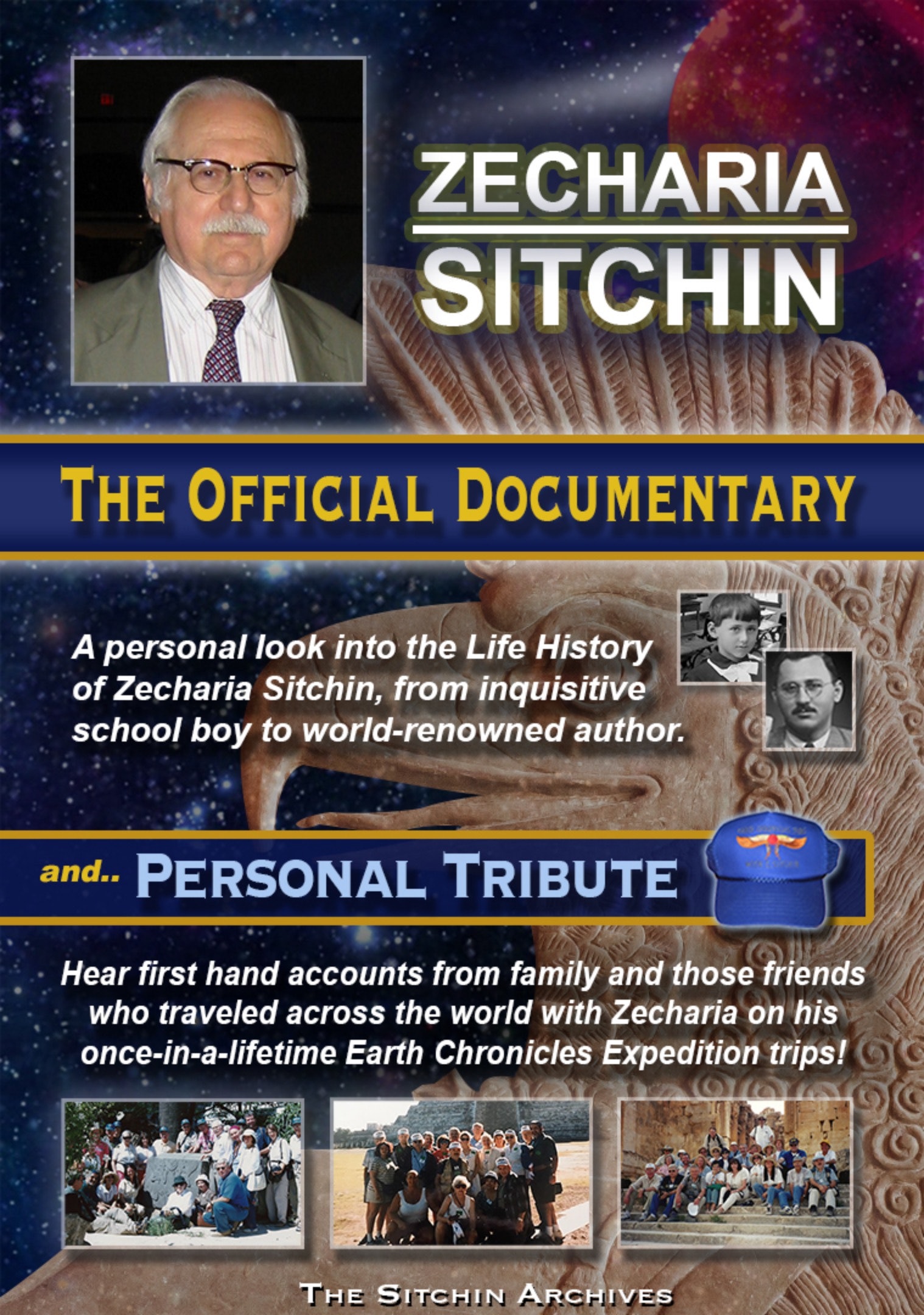 Zecharia Sitchin Documentary and Personal Tribute |
ZECHARIA SITCHIN, The Official Documentary & Personal Tribute In rememberance of Zecharia Sitchin in the year which is his 10th yartzeit, a very special documentary has just been released. It is a personal look into the Life History of Zecharia Sitchin, from inquisitive schoolboy to world-renowned author. You will discover how Zecharia became interested in topics related to ancient civilizations and started to write The 12th Planet and the series of books that followed! In the second part of this video, you will hear first-hand accounts from family and those friends who traveled across the world with Zecharia on his once-in-a-lifetime Earth Chronicles Expedition trips! (Runs about 1 hour and 20 minutes) |
|||||||||||||||||||||||||||||||||||||||||||||||||||||||||||||||||||||||||||||||||||||||||||||||||||||||||||||||||||||||||||||||||||||||||||||||||||||||||||||||||||||||||||||||||||||||||||||||||||||||||||||||||||||||||||||||||||||||||||||||||||||||
| J. Sitchin - October 2020 | ||||||||||||||||||||||||||||||||||||||||||||||||||||||||||||||||||||||||||||||||||||||||||||||||||||||||||||||||||||||||||||||||||||||||||||||||||||||||||||||||||||||||||||||||||||||||||||||||||||||||||||||||||||||||||||||||||||||||||||||||||||||||
|
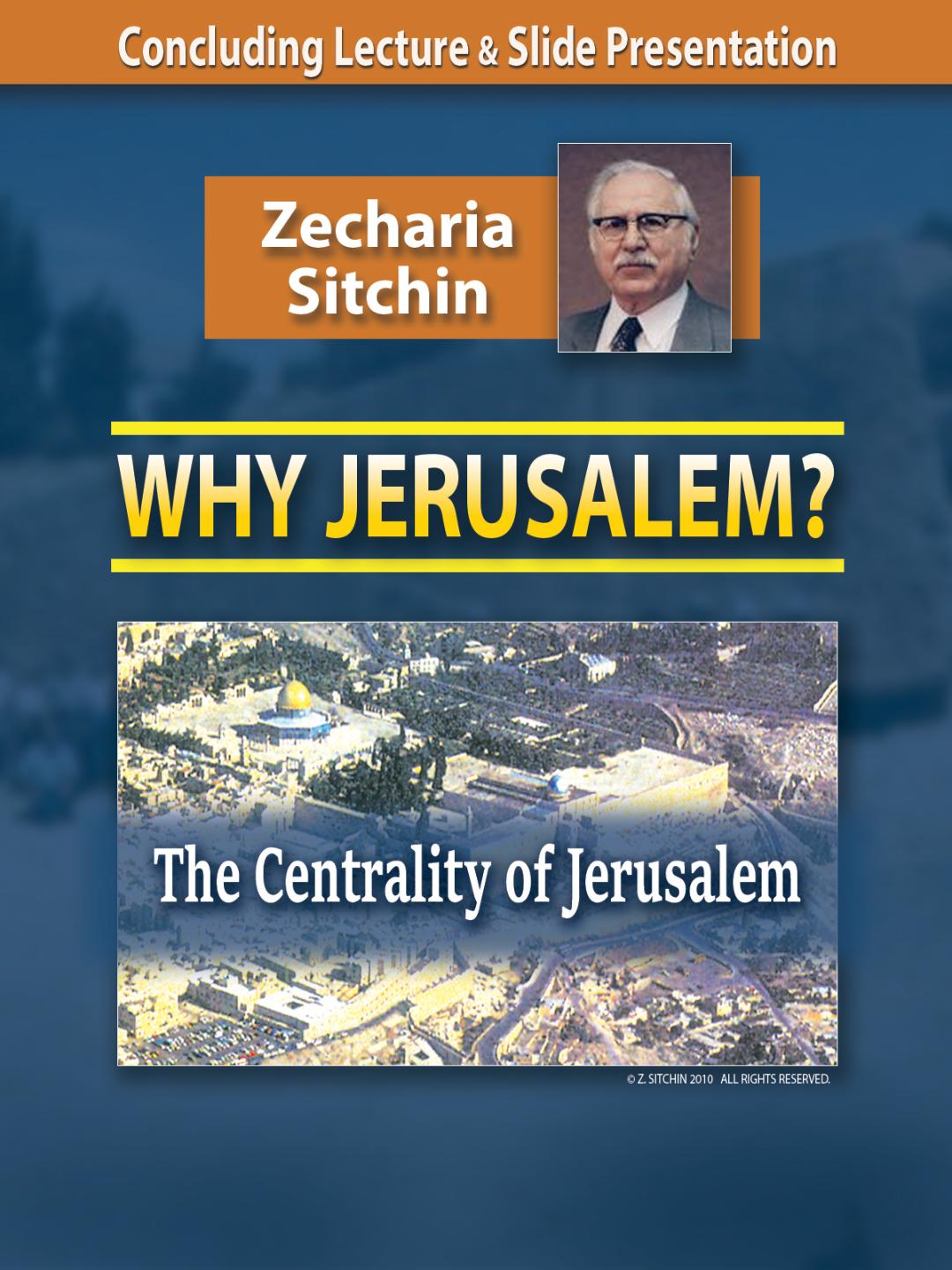
Arriving in time for the 9th Sitchin Studies Day, on October 9, honoring Zecharia's passing with a day of study and reflection on his contributions, this is Zecharia Sitchin's last lecture. It discusses the centrality of Jerusalem. Could Jerusalem be in the headlines today because Extraterrestrials came to Earth half a million years ago? An unexpected answer that anchors the present in the ancient past is given by author and biblical scholar Zecharia Sitchin in this exclusive lecture and slide presentation. About 2 hrs.
| ||||||||||||||||||||||||||||||||||||||||||||||||||||||||||||||||||||||||||||||||||||||||||||||||||||||||||||||||||||||||||||||||||||||||||||||||||||||||||||||||||||||||||||||||||||||||||||||||||||||||||||||||||||||||||||||||||||||||||||||||||||||||
|
Followers and readers of Zecharia Sitchin will know that the information about Nibiru comes from the Sumerians and the writing and artifacts they, and other ancient people, left behind. The core premise he has made in his writings is that there is a 10th Planet (again, including Pluto) in our solar system with an elliptical orbit of about 3600 of our years. People from Nibiru came to Earth and discovered the gold they needed to help repair their atmosphere and they began mining it. Much of the knowledge of these ancient people, which they knew because the Anunnaki (those who from heaven to Earth came) told them, has come true, including the color and size of Neptune and Uranus, and the very existence of the outer planets, long before our telescopes could find them. Scientists even suspect another large object in the Kuiper Belt, which might be Nibiru. So let's assume that the other writings also have merit. According to Zecharia Sitchin, and discussed at length in his book, The End of Days, Nibiru is not due to come near Earth for at least several hundred more years. Although it is possible that celestial events have impacted Nibiru's orbit and shortened its annual cycle from 3600 years to something less, we don't need to worry about its presence near Earth for some time. When it comes, will it cause calamity? During its existence, it has orbited the sun and come into the vicinity of Earth thousands of times. A few of those caused calamities on Earth. Zecharia believed that the Biblical Deluge was caused by the gravitational pull of Nibiru causing the Antarctic ice cap to slip into the ocean and create a world-wide tsunami that inundated the Earth. In pre-history, Nibiru, or its moons, may have collided with Earth, exchanging genetic material that allowed life on both planets to evolve with compatible DNA. Most of the time, when Nibiru came into the vicinity of the solar system near the sun and the other known planets, there were no incidents of concern. Readers of Zecharia Sitchin's work will be inclined to believe there is a Nibiru and that the ancient Sumerians were writing from the knowledge of the Anunnaki about the planet, its orbit, its inhabitants, especially those who came to Earth, and of the origins of life on our planet Earth. They will say, as Zecharia did, that there is no doubt that there is a Nibiru. While we agree that there is no need for panic, we otherwise respectfully disagree with Morrison on this subject. J.Sitchin - November 20, 2017 | ||||||||||||||||||||||||||||||||||||||||||||||||||||||||||||||||||||||||||||||||||||||||||||||||||||||||||||||||||||||||||||||||||||||||||||||||||||||||||||||||||||||||||||||||||||||||||||||||||||||||||||||||||||||||||||||||||||||||||||||||||||||||
|
The much-valued videos of Zecharia discussing topics related to Nibiru and the Anunnaki, as well as other topics, have been made available on TheSitchinArchives.com (an approved but not affiliated site). See the links on the "Books" page. J.Sitchin - Ocotber 22, 2020 | ||||||||||||||||||||||||||||||||||||||||||||||||||||||||||||||||||||||||||||||||||||||||||||||||||||||||||||||||||||||||||||||||||||||||||||||||||||||||||||||||||||||||||||||||||||||||||||||||||||||||||||||||||||||||||||||||||||||||||||||||||||||||
|
Readers from many places ask about editions of Zecharia's books in other languages. Continuing to make this easier to find, books available in French from Amazon.com have been added to the "Books" page. J.Sitchin - September 18, 2017 | ||||||||||||||||||||||||||||||||||||||||||||||||||||||||||||||||||||||||||||||||||||||||||||||||||||||||||||||||||||||||||||||||||||||||||||||||||||||||||||||||||||||||||||||||||||||||||||||||||||||||||||||||||||||||||||||||||||||||||||||||||||||||
|
Readers from many places ask about editions of Zecharia's books in other languages. As a start, books available in Spanish from Amazon.com have been added to the "Books" page. J.Sitchin - April 27, 2017 | ||||||||||||||||||||||||||||||||||||||||||||||||||||||||||||||||||||||||||||||||||||||||||||||||||||||||||||||||||||||||||||||||||||||||||||||||||||||||||||||||||||||||||||||||||||||||||||||||||||||||||||||||||||||||||||||||||||||||||||||||||||||||
|
Readers from many places ask about editions of Zecharia's books in other languages. As a start, books available in German from Amazon.com will be added to the "Books" page. In the mean time, take a look for yourself by searching Zecharia Sitchin and German on amazon.com. J.Sitchin - October 2020 | ||||||||||||||||||||||||||||||||||||||||||||||||||||||||||||||||||||||||||||||||||||||||||||||||||||||||||||||||||||||||||||||||||||||||||||||||||||||||||||||||||||||||||||||||||||||||||||||||||||||||||||||||||||||||||||||||||||||||||||||||||||||||
|
A frequent question received by the webmaster is regarding where to purchase videos of Zecharia Sitchin's talks. Some are still available on Amazon.com. To facilitate your ability to find them, links have been added for the available videos on the "Books" page. J.Sitchin - April 4, 2016 | ||||||||||||||||||||||||||||||||||||||||||||||||||||||||||||||||||||||||||||||||||||||||||||||||||||||||||||||||||||||||||||||||||||||||||||||||||||||||||||||||||||||||||||||||||||||||||||||||||||||||||||||||||||||||||||||||||||||||||||||||||||||||
There is more exciting scientific news this week that corroborates Sitchin writings. Last week we heard new evidence of the existance in our solar system of another large planet, which might be Nibiru. This week Mathieu Ossendrijver published an article in Science magazine about a cuneiform tablet detailing the position of Jupiter based on geometrical calculations by the Babylonians in 350-50 BCE. Europeans were able to do this in the 1400's. Mathieu Ossendrijver Science 29 Jan 2016: Vol. 351, Issue 6272, pp. 482-484 DOI: 10.1126/science.aad808 Abstract: "The idea of computing a body's displacement as an area in time-velocity space is usually traced back to 14th-century Europe. I show that in four ancient Babylonian cuneiform tablets, Jupiter's displacement along the ecliptic is computed as the area of a trapezoidal figure obtained by drawing its daily displacement against time.This interpretation is prompted by a newly discovered tablet on which the same computation is presented in an equivalent arithmetical formulation.The tablets date from 350 to 50 BCE.The trapezoid procedures offer the first evidence for the use of geometrical methods in Babylonian mathematical astronomy, which was thus far viewed as operating exclusively with arithmetical concepts."For more information, see the full article in Science: http://science.sciencemag.org/content/sci/351/6272/482.full.pdf J.Sitchin - January 29, 2016 | ||||||||||||||||||||||||||||||||||||||||||||||||||||||||||||||||||||||||||||||||||||||||||||||||||||||||||||||||||||||||||||||||||||||||||||||||||||||||||||||||||||||||||||||||||||||||||||||||||||||||||||||||||||||||||||||||||||||||||||||||||||||||
Regarding the January 19, 2016 publication of an article in The Astronomical Journal about evidence for another large planet in our solar system in the Kuiper Belt beyond Pluto, I wrote on January 20: With an elliptical orbit of 10,000 or 20,000 of our years, this planet may not be Nibiru, which has an orbit of about 3600 of our years. However, this prediction of a likely additional planet in our solar system is exciting news. Perhaps the search will lead us to either finding Nibiru, or perhaps we'll find that something has changed and impacted Nibiru's orbit since the last time it orbited Earth. I have my doubts, but since I'm not an astronomer, I'll keep an open mind. I don't think this is Nibiru.J.Sitchin - January 20, 2016 After speaking with my father, Amnon Sitchin, brother to Zecharia Sitchin, PhD in Aeronautical and Mechanical Engineering, and also the person who calculated the orbit of Nibiru for my uncle Zecharia, I found an interesting piece of news based on some additonal calculations he did this week: If Nibiru's orbit of 3600 years was circular rather than elliptical, it would have an orbit of about 10,000 years.Yes, you heard that right. I don't know whether the CalTech astronomers based their estimated orbital period on a circular or elliptical orbit. However, this tidbit means that I should not dismiss this planet as being Nibiru based on this estimated orbital time frame. I obviously need to learn more about planetary motion and astronomy to make any conclusions myself. I'm hoping that we can learn more and either find that this is Nibiru or that the search for this new planet helps us find Nibiru too. J.Sitchin - January 27, 2016 | ||||||||||||||||||||||||||||||||||||||||||||||||||||||||||||||||||||||||||||||||||||||||||||||||||||||||||||||||||||||||||||||||||||||||||||||||||||||||||||||||||||||||||||||||||||||||||||||||||||||||||||||||||||||||||||||||||||||||||||||||||||||||
|
Konstantin Batygin and Michael E. Brown Published 2016 January 20 © 2016. The American Astronomical Society. All rights reserved. The Astronomical Journal, Volume 151, Number 2 The following is the abstract of the article in The Astrononomical Journal on the subject of the new findings regarding another planet in our solar system. "Recent analyses have shown that distant orbits within the scattered disk population of the Kuiper Belt exhibit an unexpected clustering in their respective arguments of perihelion. While several hypotheses have been put forward to explain this alignment, to date, a theoretical model that can successfully account for the observations remains elusive. In this work we show that the orbits of distant Kuiper Belt objects (KBOs) cluster not only in argument of perihelion, but also in physical space. We demonstrate that the perihelion positions and orbital planes of the objects are tightly confined and that such a clustering has only a probability of 0.007% to be due to chance, thus requiring a dynamical origin. We find that the observed orbital alignment can be maintained by a distant eccentric planet with mass >~ 10m whose orbit lies in approximately the same plane as those of the distant KBOs, but whose perihelion is 180° away from the perihelia of the minor bodies. In addition to accounting for the observed orbital alignment, the existence of such a planet naturally explains the presence of high-perihelion Sedna-like objects, as well as the known collection of high semimajor axis objects with inclinations between 60° and 150° whose origin was previously unclear. Continued analysis of both distant and highly inclined outer solar system objects provides the opportunity for testing our hypothesis as well as further constraining the orbital elements and mass of the distant planet."J.Sitchin - January 21, 2016 | ||||||||||||||||||||||||||||||||||||||||||||||||||||||||||||||||||||||||||||||||||||||||||||||||||||||||||||||||||||||||||||||||||||||||||||||||||||||||||||||||||||||||||||||||||||||||||||||||||||||||||||||||||||||||||||||||||||||||||||||||||||||||
|
The New York Times, The BBC, The New Yorker, National Public Radio and other highly respected news sources reported today (January 20, 2016) that there is strong evidence for a ninth planet in our solar system. (I'm not quite willing to demote Pluto, so I'm saying tenth planet). In the New York Times, reporter Kenneth Chang says: "Two astronomers reported on Wednesday that they had compelling signs of something bigger and farther away - something that would definitely satisfy the current definition of a planet, where Pluto falls short. The scientists were working on calculations to explain the behavior of several Kuiper Belt objects. As a result, they were pretty sure there was a large object that exhibited a gravitational pull on those objects to explain their movement. When they included a large planet orbiting in the reverse direction from those objects into their simulation, the calculations worked and the objects were where the calculations predicted they would be. "Another strange result in the simulations: A few Kuiper belt objects were knocked into orbits perpendicular to the plane of planetary orbits. Dr. Brown remembered that five objects had been found in perpendicular orbits.J.Sitchin - January 20, 2016 | ||||||||||||||||||||||||||||||||||||||||||||||||||||||||||||||||||||||||||||||||||||||||||||||||||||||||||||||||||||||||||||||||||||||||||||||||||||||||||||||||||||||||||||||||||||||||||||||||||||||||||||||||||||||||||||||||||||||||||||||||||||||||
|
| ||||||||||||||||||||||||||||||||||||||||||||||||||||||||||||||||||||||||||||||||||||||||||||||||||||||||||||||||||||||||||||||||||||||||||||||||||||||||||||||||||||||||||||||||||||||||||||||||||||||||||||||||||||||||||||||||||||||||||||||||||||||||
|
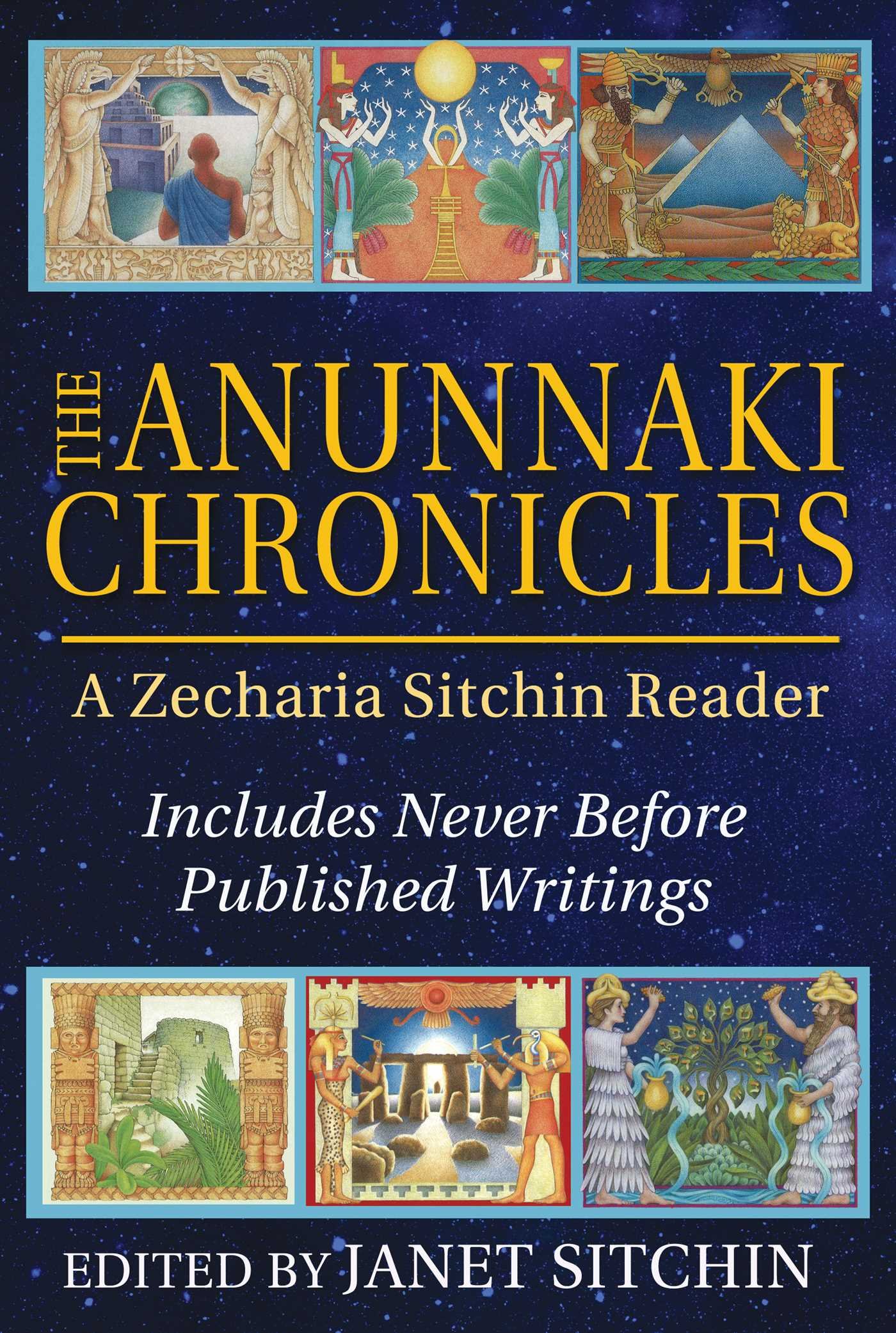
Including selected chapters from Zecharia Sitchin's books and also previously unpublished articles with more information and insight, The Anunnaki Chronicles -- A Zecharia Sitchin Reader was published in late September 2015. The book is introduced and edited by Sitchin's niece, Janet Sitchin. It is meant to provide an overview of the main ideas presented by Sitchin in his 14 books as well as being a source of new, previously unpublished material.
| ||||||||||||||||||||||||||||||||||||||||||||||||||||||||||||||||||||||||||||||||||||||||||||||||||||||||||||||||||||||||||||||||||||||||||||||||||||||||||||||||||||||||||||||||||||||||||||||||||||||||||||||||||||||||||||||||||||||||||||||||||||||||
| J.Sitchin - October 1, 2015 | ||||||||||||||||||||||||||||||||||||||||||||||||||||||||||||||||||||||||||||||||||||||||||||||||||||||||||||||||||||||||||||||||||||||||||||||||||||||||||||||||||||||||||||||||||||||||||||||||||||||||||||||||||||||||||||||||||||||||||||||||||||||||
|
| ||||||||||||||||||||||||||||||||||||||||||||||||||||||||||||||||||||||||||||||||||||||||||||||||||||||||||||||||||||||||||||||||||||||||||||||||||||||||||||||||||||||||||||||||||||||||||||||||||||||||||||||||||||||||||||||||||||||||||||||||||||||||
|
Due to be published in late September 2015, a new Sitchin book is being published. The Anunnaki Chronicles -- A Zecharia Sitchin Reader brings together unpublished materials and chapters from the already published volumes. It is meant to provide an overview of the main ideas presented by Sitchin in his 14 books as well as being a source of new, previously unpublished material. The book is edited and introduced by Zecharia's niece and is available for pre-order from Amazon.com |
|||||||||||||||||||||||||||||||||||||||||||||||||||||||||||||||||||||||||||||||||||||||||||||||||||||||||||||||||||||||||||||||||||||||||||||||||||||||||||||||||||||||||||||||||||||||||||||||||||||||||||||||||||||||||||||||||||||||||||||||||||||||
| J.Sitchin - June 1, 2015 | ||||||||||||||||||||||||||||||||||||||||||||||||||||||||||||||||||||||||||||||||||||||||||||||||||||||||||||||||||||||||||||||||||||||||||||||||||||||||||||||||||||||||||||||||||||||||||||||||||||||||||||||||||||||||||||||||||||||||||||||||||||||||
|
| ||||||||||||||||||||||||||||||||||||||||||||||||||||||||||||||||||||||||||||||||||||||||||||||||||||||||||||||||||||||||||||||||||||||||||||||||||||||||||||||||||||||||||||||||||||||||||||||||||||||||||||||||||||||||||||||||||||||||||||||||||||||||
| NASA launched its New Horizons space probe 9 years ago, on January 19, 2006.
In July 2015, it is expected to be at the closest position relative to Pluto, with observations expected to begin five months ahead of that, in February 2015. For the first time we'll have a good view of the former planet. When the Voyager 2 mission passed by Uranus and Neptune for the first time, their descriptions matched the ancient Sumerian descriptions, as discussed in Zecharia Sitchin's The 12th Planet. Uranus' unusual blue-green color and watery nature was described by the Sumerians and confirmed by Voyager 2. It's "twin", according to the Sumerians, Neptune, was also confirmed to be blue-green and associated with water. Sitchin indicates that the Sumerian Epic of Creation calls Pluto/Gaga the "House of Bright Waters". Let's see if New Horizons confirms that description. Note that I'd like to find more on the Sumerian description of Pluto (Gaga in Sumerian). J.Sitchin - January 20, 2015 | ||||||||||||||||||||||||||||||||||||||||||||||||||||||||||||||||||||||||||||||||||||||||||||||||||||||||||||||||||||||||||||||||||||||||||||||||||||||||||||||||||||||||||||||||||||||||||||||||||||||||||||||||||||||||||||||||||||||||||||||||||||||||
|
| ||||||||||||||||||||||||||||||||||||||||||||||||||||||||||||||||||||||||||||||||||||||||||||||||||||||||||||||||||||||||||||||||||||||||||||||||||||||||||||||||||||||||||||||||||||||||||||||||||||||||||||||||||||||||||||||||||||||||||||||||||||||||
| Did the name Nibiru for the planet in the opening of Star Trek: Into Darkness make your ears perk up? While not the advanced Nibiru we know of from Zecharia Sitchin's writing, it is a direct reference to Sitchin theories.
J.Sitchin - July 2013 | ||||||||||||||||||||||||||||||||||||||||||||||||||||||||||||||||||||||||||||||||||||||||||||||||||||||||||||||||||||||||||||||||||||||||||||||||||||||||||||||||||||||||||||||||||||||||||||||||||||||||||||||||||||||||||||||||||||||||||||||||||||||||
|
Book News | ||||||||||||||||||||||||||||||||||||||||||||||||||||||||||||||||||||||||||||||||||||||||||||||||||||||||||||||||||||||||||||||||||||||||||||||||||||||||||||||||||||||||||||||||||||||||||||||||||||||||||||||||||||||||||||||||||||||||||||||||||||||||
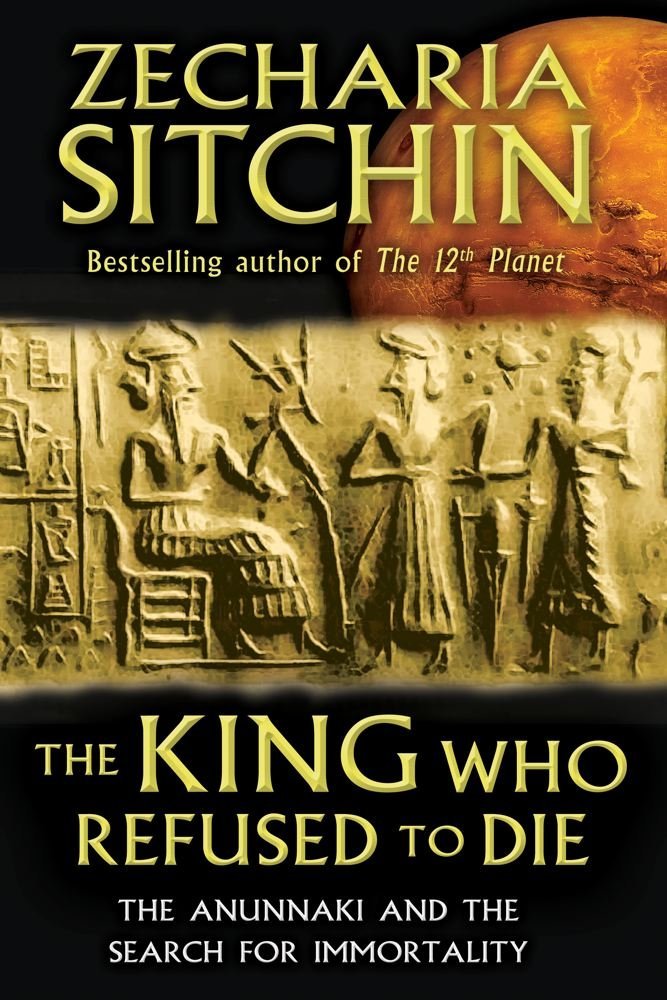
| Exciting news has come to www.sitchin.com regarding a new book by Zecharia Sitchin available in November 2013, published by Bear & Company, and available for Pre-order Now. Completed from an unfinished manuscript, The King Who Refused to Die is a novel, taken from facts in the tale of Gilgamesh and his quest for the immortality he thought to be his birthright. Written in secret so as not to incite criticism about his controversial discoveries, this allegorical novel by Zecharia Sitchin brings to life the key concepts of his bestselling book The 12th Planet.
|  |
|||||||||||||||||||||||||||||||||||||||||||||||||||||||||||||||||||||||||||||||||||||||||||||||||||||||||||||||||||||||||||||||||||||||||||||||||||||||||||||||||||||||||||||||||||||||||||||||||||||||||||||||||||||||||||||||||||||||||||||||||||||||
| J.Sitchin - April 2013 | ||||||||||||||||||||||||||||||||||||||||||||||||||||||||||||||||||||||||||||||||||||||||||||||||||||||||||||||||||||||||||||||||||||||||||||||||||||||||||||||||||||||||||||||||||||||||||||||||||||||||||||||||||||||||||||||||||||||||||||||||||||||||
|
October 9, 2012 | ||||||||||||||||||||||||||||||||||||||||||||||||||||||||||||||||||||||||||||||||||||||||||||||||||||||||||||||||||||||||||||||||||||||||||||||||||||||||||||||||||||||||||||||||||||||||||||||||||||||||||||||||||||||||||||||||||||||||||||||||||||||||
| In honor of Zecharia Sitchn's memory, we are celebrating October 9, 2012 as Sitchin Studies Day. In Jewish tradition, we honor our loved ones on the anniversary of their passing. On October 9 it will be two years since that sad day. You are invited to actively participate. Spend a part of the day reading, discussing, or thinking about the ideas Zecharia shared with us in his 14 books on Ancient Civilizations. Read current scientific information about evidence of water on Mars, and think about Zecharia. Read scientific evidence of another object in our solar system explaining some aspects of orbital dynamics of the known members of our solar system, and think of Zecharia. Send me what you find and I'll include a collection of this evidence of ancient knowledge rediscovered today in a future post. I have had many requests and questions that have come to me via email and I'll add more on those in this space as my time permits, so stay tuned. J.Sitchin - September 2012 |
| One of the Frequently Asked Questions I received in email from Sitchin fans is in regards to where they can learn more about Cuneiform writing, including where they can learn to read it for themselves and where tablets can be accessed. The other related question is about where did Zecharia Sitchin learn cuneiform himself? On the latter, I can only speculate. In an era that pre-dated the internet, he was in the right part of the world to learn about these subjects and to visit ancient sites. Later, he made a point to travel and to lead tours to see artifacts in person. | Now, in the internet age, I found some interesting information on-line in just a few moments of searching. There is a Cuneiform Digital Library Initiative (CDLI), sponsored by the University of California at Los Angeles and the Max Planck Institute for the History of Science. Their web site is http://cdli.ucla.edu. Links on the site allow you to view resources where cuneiform tablets are found, view the tablets, view transliterations of the tablets. etc. The list of who's who in cuneiform, the universities those folks have been affiliated with, and the list of collection locations together provide an answer to "where to learn". I hope this helps all of you interested in learning more and seeing for yourself about cuneiform. If you were not intelligent, questioning, and eager to learn more, you would not be interested in the work of Zecharia Sitchin. It is the one common thread across gender, age, religion, education, income level, origin, and nationality, and other factors that define individuals, that I can attribute to all of his fans. You are a very diverse group of people! J.Sitchin - February 2012 |
| July 11, 1920-October 9, 2010 A Year Has Passed Zecharia Sitchin July 11, 1920 - October 9, 2010 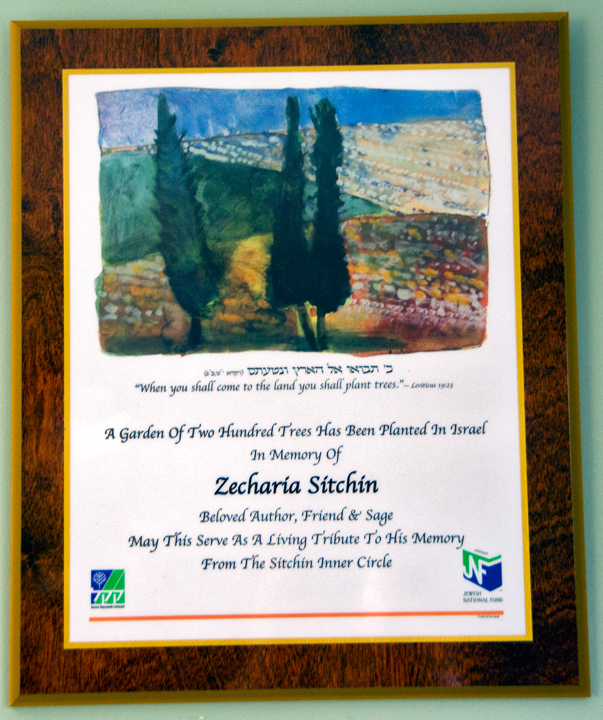 Sitchin fans donated funds to memorialize Zecharia with a garden of 200 trees planted in Israel. In addition to receiving the certificate, Zecharia's name was inscribed in the Book of Gardens housed in Jewish National Fund's office in Jerusalem. A sad year has slipped by, with many thoughts of my Uncle Zecharia. I no longer have my weekly chats with him on the phone, and visits to New York no longer have the added delight of spending time together. | I hear from many of his fans because I continue to maintain this web site. I hope to be able to answer your questions or to steer you toward the answers if I am not able to answer myself. When I have the time, I'll post the list of books in each language, since so many of you have asked about that. I'll also try to find resources for studying cuneiform and otherwise following along in some of the academic pursuits related to Zecharia's writings. For all of you it has been a sad year too. Some of you miss a personal friend; some of you have missed the opportunity to meet Zecharia in person and to experience first hand his wit, his humble demeanor, and his great intelligence and warmth. He loved meeting and hearing from his fans. His chances to interact with you at seminars kept him going. No sooner had one event been completed than he was planning the next one. This passion for his work was part of what helped him to live a long productive life. We are proposing that October 9 mark a Sitchin Studies Day each year, in which we remember Zecharia, and share a bit of his knowledge with others around us. Keeping Zecharia's ideas alive is left to us now, so I hope you will consider honoring Zecharia Sitchin each October 9. J.Sitchin - October 9, 2011 |
|
Just a little over a year ago, while Zecharia Sitchin was busy researching, writing and forging ahead with the Nin.Puabi Goddess of Ur Genome project, it became extremely difficult for him to walk. Soon, everything he was so busy doing (even at age 90!) came to a sudden halt -- he was diagnosed with the final onset of prostate cancer. Within only a few short weeks, on the morning of October 9th, 2010, he left us and moved gracefully onto his next journey. It was a sad day. J.Sitchin - October 9, 2011 |
|
Zecharia Sitchin's Earth Chronicles series and companion books are now available in Kindle e-reader editions. Note that you do not need a Kindle device to read these editions, as Amazon has free Kindle e-readers for PC, MAC, iPhone and other devices. For links to the Kindle Editions click here J.Sitchin - August 2011 |
|
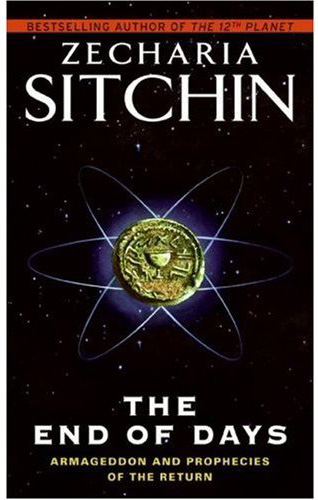
A number of Zecharia Sitchin's fans have been asking about the date December 21, 2012 and what it might signify in relation to Zecharia's writings. Zecharia would have suggested to any posing such a question that you "read my book". In this case, read The End of Days. | It is gratifying that Wikipedia lists one of the possible reasons for the significance of the date as the passing of Nibiru, a planet that would not be named without Zecharia's work. However, since I am not Zecharia, I'll give away a bit of the puzzle and say that neither cataclysmic events on December 21, 2012 nor Nibiru come into play as a concern in 2012. For more details, read the book. J.Sitchin - July 2011 |
|
Three of Zecharia Sitchin's books: The Lost Book of Enki, The End of Days and There Were Giants Upon the Earth, have recently been published in French Editions by Macro Livres. | 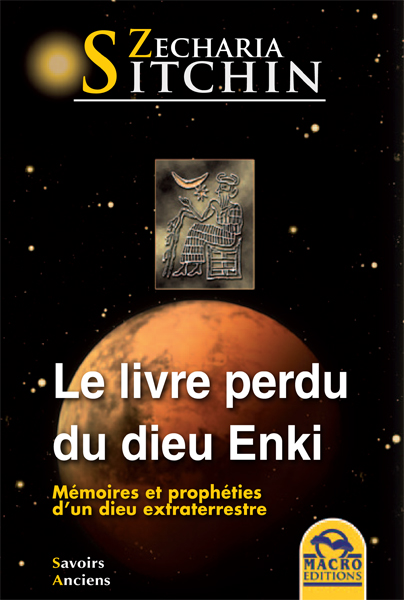  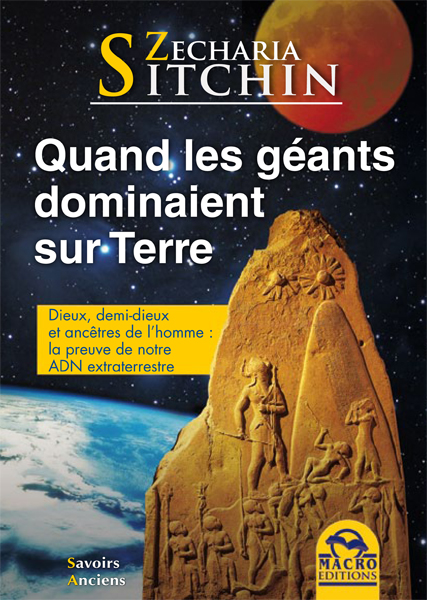 J.Sitchin - June 2011 |
|
Those who have read Zecharia Sitchin's last book, There Were Giants Upon the Earth, are aware of the desire to conduct a genome study comparing the DNA of the bones of "the Goddess of Ur" to the human genome. Progress is slow on getting the approvals and applications in place, but rest assured that the importance and priority of the study has not diminished. Efforts to move the project forward are on-going.
|
Stories of Zecharia Sitchin's life, his tours and travels, touching personal accounts, and discussions of the sometimes life-altering impact of his work were part of an intimate "Inner Circle" tribute and memorial to Zecharia held on May 15, 2011 in New York. Watch this space for announcements of future gatherings of Sitchin fans where Zecharia's work can be discussed.
J.Sitchin - May 2011 |
|
Zecharia's book, The Lost Book of Enki, is now available in Italian. | 
|
Zecharia's new book, THERE WERE GIANTS UPON THE EARTH, published in the English original at the end of May, is already available worldwide in Spanish and Italian, with German and French editions following soon. |  
According to Google, there were over 50,000 discussion websites responding to the book's title (when entered in quotation marks) on Sunday August 1st, including such major websites as Facebook, and some 400,000 sites with book reviews. In the book Zecharia Sitchin suggests that skeletal remains found in Iraq and kept at a museum in London might well be of the goddess Nin.Puabi. |
The U.S. publisher Bear & Company is preparing a second printing of THERE WERE GIANTS UPON THE EARTH, making the first original printing autographed by the author a collector's item.
TO MY FRIENDS, FANS AND READERS:
|
On Saturday June 25th I was rushed to the hospital with an acute abdominal problem. I am recovered and after a brief rehab I was released and I am back home now. After some rest I hope to return to full activity dealing with my latest book, and the Goddess of Ur Genome Project. |
I wish to thank all who sent and expressed best wishes for my recovery in this way because it is simply not possible to individually acknowledge and thank everyone separately, Zecharia Sitchin - July 22, 2010
New Book: |
Just published and with advance sales exceeding all expectations, There Were Giants Upon the Earth is already shaping up as a media enigma: Is this a book for Religion or for Science review-editors? While firmly anchored in the biblical tale of the sons of the gods who married daughters of Man and had the heroic offspring before the Deluge "and thereafter too", the book flips the tale over to its Sumerian antecedents and identifies those demigods as actual participants in the saga of gods and men on Earth - all the way to our own time. |
If the Sumerian hero of the Deluge was a demigod, was the biblical Noah a demigod - affecting all his descendants: All of us? The question is not a theoretical one, for Zecharia Sitchin, in his new book (subtiled Gods, Demigods and Human Ancestry) discloses the existence of physical evidence that can settle the issue once and for all: Skeletal remains, discovered in the Royal Tombs of Ur, that are of a goddess and a demigod, whose genetic lineages - according to Zecharia's book - involve Alien DNA. 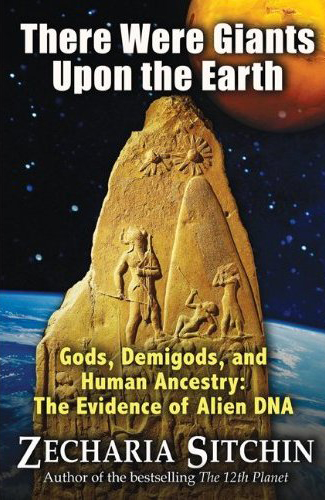
Urging all concerned to conduct full genome DNA comparisons, "It's a unique opportunity for Science to prove Bible", Zecharia Sitchin says, and finally answer the question "Are We Alone?"
|
Zecharia Sitchin - June 2010
The End of Days |  
Zecharia's The End of Days, the concluding volume of The Earth Chronicles series, is now available in Brazil from MADRAS Editora of Sao Paulo, and in a softcover Italian translation from EDIZIONI PIEMME in Milan.
|
Zecharia Sitchin - March 2010
Books News | 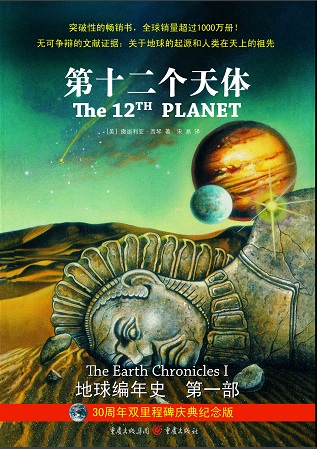 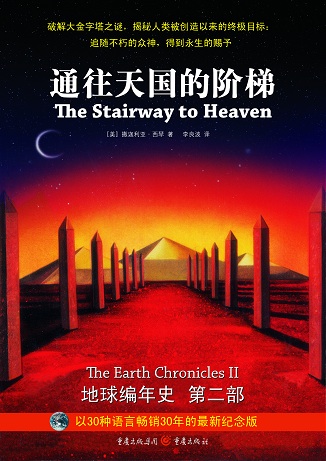
Zecharia's The 12th Planet and The Stairway to Heaven have been published in China by the Chongquing Publishing House. Other volumes in The Earth Chronicles series are due in coming months.
|
Zecharia Sitchin - March 2010
In the Media | Zecharia Featured in The New York Times
|
The New York Times devoted a page to a 'profile' article on Zecharia Sitchin in its Sunday, January 10th edition. Headlined "Origin of the Species From an Alien View", the article, written by Times staff reporter Corey Kilgannon, combines tidbits about Zecharia's daily life with information on his research, writings, and his conclusions regarding the planet Nibiru, the Anunnaki, and their involvement in Mankind's origins and civilizations. The article is accompanied by color photographs taken by staff photographer Chester Huggins. The text of the article, with a videoclip taken during the interviews, can be seen on the newspaper website. 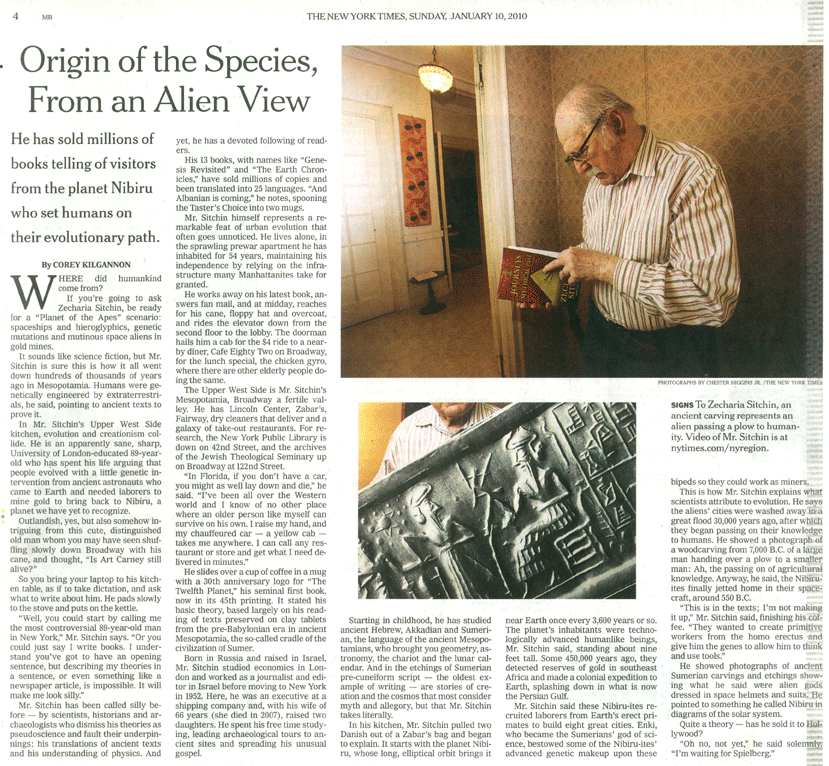
Zecharia Sitchin - January 2010
Are We Alone?
|
Zecharia in Person
|
|
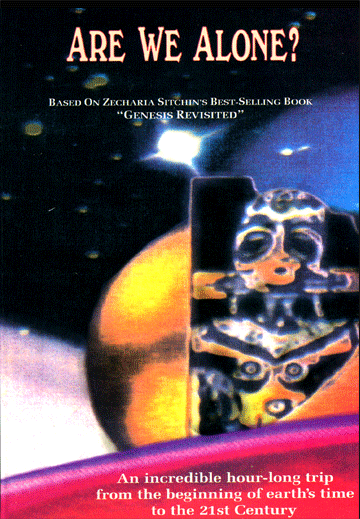 The classic one-hour video documentary "Are We Alone?", based on Zecharia's book Genesis Revisited, is now available in a re-edited DVD format. It is the only documentary recording the historic on-camera interview by Zecharia with Dr. Robert Harrington of the United States Naval Observatory, and original footage from the Soviet Union about the mysterious loss of the Phobos 2 spacecraft.
Zecharia has accepted an invitation to be the Guest of Honor at an Award Luncheon chaired by George Noory (host of the 'Coast-to-Coast AM' radio program) at the conscious Life Expo in Los Anglees on Saturday, February 13, 2010. |
Zecharia will deliver that same evening a Farewell Address titled: Watching the Ticking Clock The session will include a Q&A period. For information and reservations go to the Conscious Life Expo website.
| Books and Other News France: Here We Go Again...
|
Zecharia's trailblazing book The 12th Planet is available again in French. Republished in full by Louise Courteau Editrice Inc. of Quebec, Canada, it is also distributed in France and other French speaking countries. The book's general availability in French is most timely. As previous comments in these columns have suggested, French scholars -- and astronomers in particular -- have been aware of, and 'helped themselves' to data from The 12th Planet. A recent case in point is the subject of a Letter to the Editor of the journal Nature regarding a paper by a French researcher that it published. Here is what Zecharia wrote: 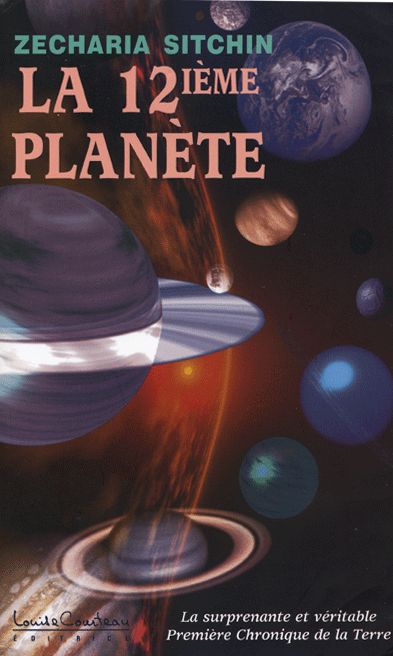
Sir -- Nature 461 draws welcome attention to the question "Where did we get water?" by publishing the study by Francis Albarede; her suggestion that the three terrestrial planets obtained it from water-bearing asteroids (?!) coming from the outer reaches of the solar system leaves too much unexplained. |
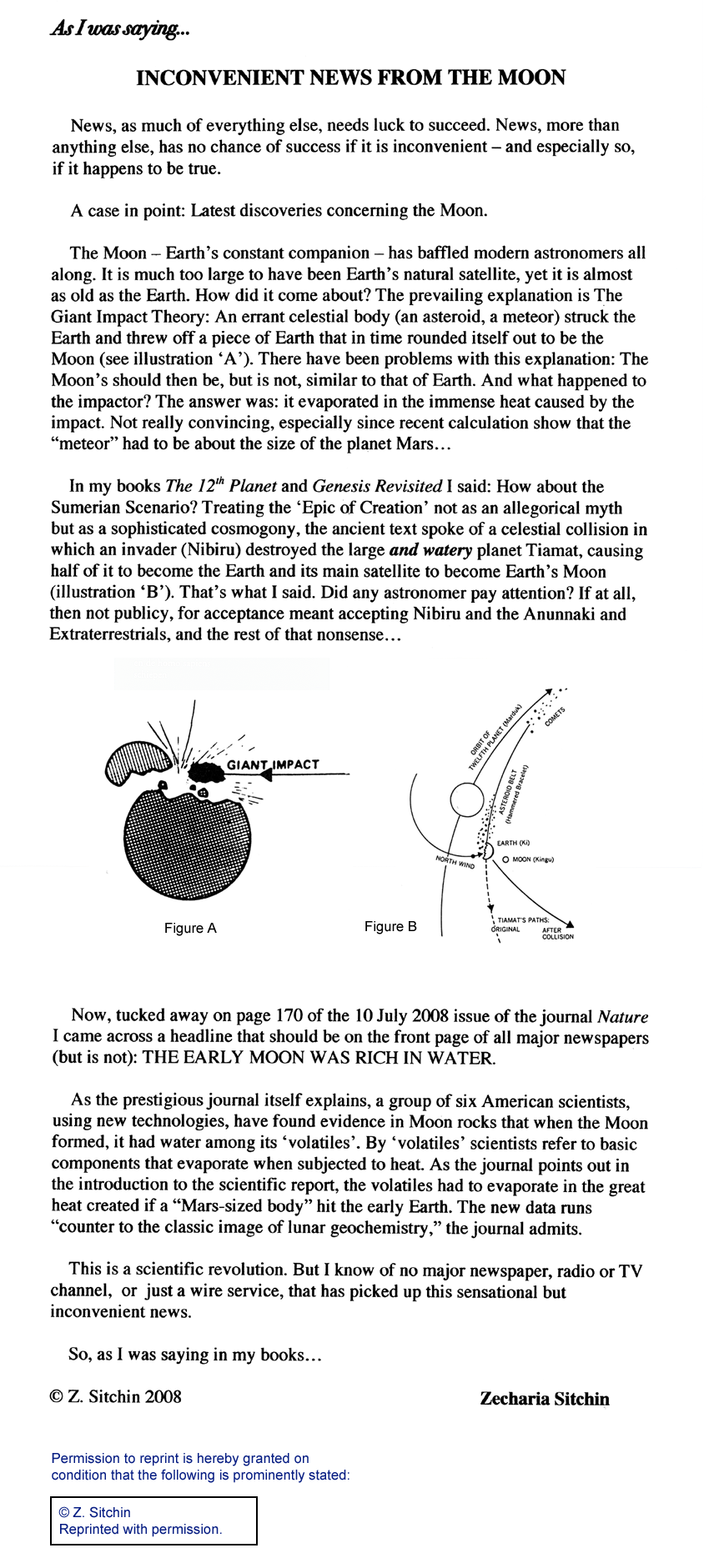
As the author of thirteen books dealing with the origins of Earth and Mankind, I find it amiss that her citations list does not mention the eminent scientist Enki Nibirukoff, whose major work, Enuma elish in English translation is titled The Babylonian Epic of Creation. Its central premise is that Earth is the cast-off forepart of a watery planet that had once existed between Mars and Jupiter and was destroyed in a celestial collision with an invader-planet; the other half, broken into bits and pieces, became the Asteroid Belt and comets. The first chapter of Genesis, which is an abbreviated version of Enuma elish, states that Dry Land (=the continents) emerged after the Water Above and the Water Below were separated by the Hammered Bracelet. "Enki Nibirukoff" is better known as the Sumerian god of science, Enki, and Enuma elish has been explained by Assyriologists as an allegorical myth. In my writings The 12th Planet (1976) and Genesis Revisted (1990) I have shown that the text is in fact a sophisticated cosmogony that explains most of the solar system's enigmas. The debate on the subject of the Earth's water (and origins) ought to consider as a possibility this understanding of ancient knowledge. November 2009 Zecharia Sitchin
|
Astronomy No, that is not (yet) a quote from a report in the scientific journal Nature, but that is what the conclusion is of a study by six astronomers (including one from a NASA institute) published in the Journal's July 16, 2009 issue. The Asteroid Belt between Mars and Jupiter is presumed to be the remnant of 'something' that was there and broke up. So how come it includes bits and pieces of matter found only in the outer reaches of the Solar System? The enigma is compounded by the fact that these strange bits and pieces contain organic-rich matter. The group's findings: These are bits and pieces of "primordial trans-Neptunian objects" left in the Asteroid Belt as orbiting 'comets' or 'cometlike objects' pass through it and collide with its asteroids, leaving behind a 'footprint'. Substitute 'Nibiru' with its "organic-rich matter" for "comets or cometlike objects" as it passes periodically through the Asteroid Belt, and you get the true answer -- another instance of modern science catching up with ancient knowledge. October 2009 Zecharia Sitchin
From Our Readers |
I have just returned from doing a presentation of your work. Our Theophysical Society asked me to lecture on your book: The End of Days. What an event it has been! Out of about 45 people there were three who were determined not to believe a word I said. At the end, one agreed that I might be right, one was less dismissive than before, and one stayed for an extended Q&A. IT WAS GREAT. Mary O. /Minneapolis
|
Warm congratulations on the translation into 25 languages! Now that your books will be published in Chinese, they have truly encircled the whole world in order to enlighten human consciousness. Joyce K. / Amsterdam, Holland
|
Astronomy The scientific-astronomical establishment bas been all agog in recent weeks about a "Yo-yo Planet." Planets, they all know, come about when a disc of dust swirling around a star (a 'sun') coalesces into lumps that keep growing until they attain planetary size. Then they all circle their sun.in the same direction (usually counterclockwise) and in the same plane of orbit. That neat theory has now collided with the increasing number of "extra solar" planets discovered in other faraway solar systems: Some of the planets out there, like the recently discovered WASP-17, not only orbit in the opposite direction - they also have great elliptical orbits... A recent National Geographic TV program titled 'Alien Earths' was mostly devoted to what the astronomers called "Yo-yo planets." So how do they explain them? Well, you see, such planets were probably thrust out from other solar systems and were caught to orbit a new Sun in this odd way... "I was sure that at this point they will say that, in fact, such a planet is described in ancient texts, according to Zecharia Sitchin", some irate readers of The 12th Planet have written to me. We1l 'they' didn't, but maybe someday they will. September 2009 Zecharia Sitchin
Book News |
The complete seven-book The Earth Chronicles series by Zecharia Sitchin is being published in China by the Chongqing Publishing House. The translated edition will be in 'Simplified Chinese'. The first two titles, The Twelfth Planet and The Stairway to Heaven, will be published this month (August 2009), with the other titles spread over the following months. Chinese will be the 25th language into which Zecharia's books have been translated. Astronomy Some 700 million years after the solar system had formed 4.6 billion years ago, "a brief, violent cataclysmic affair" caused in it a "grerat reshuffling that not only put the outer planets where they are today, but also created the Kuiper Belt of small icy bodies beyond Neptune, gave the planets scores of oddly orbiting moons, and bombarded the solar system with a rain of asteroids and comets." A quote from one of my books or presentations? No - it is from an editorial in the journal Sciences (of 17 July 2009), reporting the latest research news from the planetary scientists studying "The most catastrophic scenario for such planet migration, dubbed the Nice Model (after the French city), which has been gaining ground of late. It envisions the great reshuffling as a brief, violent affair so fierce that it would have cooked all but the deepest subterranean life on early Earth." The Nice Group began with the Violent Catastrophe theories first offered by the astronomer Alessandro Morbidelli of the Observatory of Cote d'Azur in Nice, France. Followers of this web site might recall the December 2003 article The Case of the French Astronomer in which it was shown that Morbidelli's ideas and orbital drawings were borrowed from the The Twelfth Planet - a book which he asserted he had never read... Will one of my readers now please suggest to the latest members of the Nice Group to read The Twelfth Planet ? They are William Bourke and Harold Levison of the Southwest Research Institute in Boulder, Colorado; Rodney Gomes of the National Observatory in Rio De Janeiro, Brazil, and Kleomenis Tsiganis of Aristotle University in Thessaloniki, Greece. (They can all read my books in their own languages). August 2009 Zecharia Sitchin
New DVD Release: |
Why has the U.S. shelved plans to return to the Moon while the Russians plan to return to Phobos - the enigmatic moonlet orbiting the planet Mars? Strange things are happening in space, and they remind one on the 1989 'Phobos Incident' when a Soviet spacecraft was shot down by a missle fired from the moonlet Phobos, says Zecharia in a new DVD that includes amazing new photographs taken by the European Space Agency. Are prophecies coming true? Drawing attention to an ancient Sumerian tablet depicting the Anunnaki's space route, Zecharia's new presentation is appropriately titled "Signs of the Return."
|
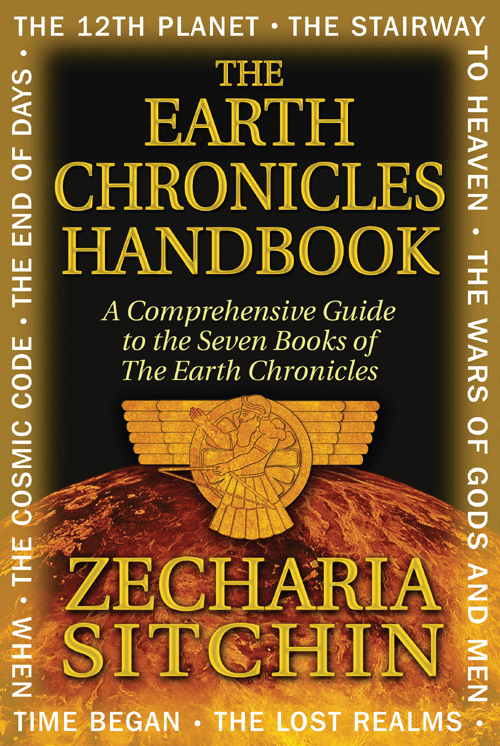
Book News "If you haven't yet ventured into the Chronicles, here's your launching pad" -- so recommends the international magazine NEXUS (June-July 2009) in its book review of Zecharia's The Earth Chronicles Handbook. "Fans of Sitchin's groundbreaking research will appreciate this A to Z compendium of key gods, demigods, personages, archaeological sites, concepts and beliefs that are featured throughout the series. "Most of the hundreds of entries contain commentaries and cross-references to several civilizations and are invaluable for keeping the reader on top of the mass of information contained in Sitchin's books.
For Collectors |
Zecharia has agreed to release from his personal archive 24 copies (0 left) of the limited SOUVENIR EDITION of his latest book The Earth Chronicles Handbook. The identification Souvenir Edition is embossed in gold lettering on the cover of these First Edition hardcover copies and each one is hand autographed by Zecharia. The released copies are offered on a First Come First Served basis.
|
Global Warming
|
COME TO THE RESCUE? A new term, "Geo-engineering," has come to the fore at various international meetings dealing with 'Global warming' (now more correctly addressed as Climate Change). The term was officially embraced by the new U.S. presidential science advisor, John Holdern. Speaking at a recent international conference in Bonn, Germany, he revealed that "Geo-engineering" is among the "extreme options" under discussion by the U.S. government: Using space-age technology yet to be devised, he said, "particles will be shot into the Earth's upper atmosphere to create a shield that will reflect away from Earth the Sun's warming rays." While such extraordinary measures would be only a last resort, "we don't have the luxury of taking any approach off the table," Dr. Holdren said. Such new space-age ideas duplicate technologies that have already been used 450,000 years ago! Back to the Anunnaki The audacious idea of protecting a planet thermally by creating a shield of particles in its upper atmosphere is not as revolutionary as it seems. It was, I wrote in my 1976 book The Twelfth Planet, exactly the reason why the Anunnaki - "Those who from Heaven to Earth came" - had come here some 450,000 year ago from their planet Nibiru. On Nibiru -- 'Planet X' of our Solar System - the problem was the opposite one: Loss of internally generatedheat due to a dwindling atmosphere, brought about by natural causes and nuclear wars. Nibiru's scientists, I wrote, concluded that the only way to save life on their planet was to create a shield of gold particles in their upper atmosphere. It was in search of the needed gold that the "gods" of the ancient peoples had come to Earth. Basing my conclusions on Sumerian and other texts from the ancient Near East, I wrote that the Anunnaki began to arrive on Earth some 445,000 years ago, establishing settlements in the E.Din (later Mesopotamia) and mining gold in southeast Africa. As I have written in subsequent books, "modern science is only catching up with ancient knowledge." The idea of 'geo-engineering' is borrowed from technologies of the Anunnaki. © May 2009 Zecharia Sitchin Reprinting permitted on condition that © Z. Sitchin is indicated.
ZECHARIA SITCHIN’S latest book has just been published. |
Titled The Earth Chronicles Handbook, it was written in response to numerous readers’ requests. As the volumes of The Earth Chronicles kept coming and the material therein became ever more encompassing, many readers have asked for a guidebook to be able to find who is who and what is what at a glance. The Handbook provides not just that; the basic information is augmented by stating how the writings of “ZS” have offered a different approach, a new understanding of ancient texts – an explanation of what Zecharia’s take has been on past events and future expectations. Where appropriate, entries include references to specific ZS books and give links to related subjects. The Earth Chronicles Handbook is both a useful tool for navigating through the 2,300 pages of the seven Earth Chronicles books, and an exceptional compendium that provides in alphabetical order data from all parts of the world, indicating for each entry its cultural source. A unique encyclopedia of ancient civilizations and their space connections, it is a book that anyone who has Zecharia’s previous ones should have, and others just interested in ancient times would want to have. The Handbook is published by Bear & Co. of Rochester, Vermont.
Science News |
New scientific discoveries continue to corroborate findings first suggested in Zecharia Sitchin's books. Homo sapiens: The successful deciphering of a female Neanderthal genome was reported in the journal Science on February 13, 2009. The project, undertaken by scientists at the Max Planck Institute in Leipzig, Germany, aimed to verify when that failed species of humans and Homo sapiens (= Modern Man) branched off, and whether the two bad ever interbred. The New York Times pointed out that the new findings "document two important sets of genetic changes - those that occurred between 5.7 million years ago, when the human line split from the line leading to chimpanzees, and 300,000 years ago when Neanderthals and the ancestors of modern humans parted ways." In The 12th Planet (1976), describing the Anunnaki's genetic engineering to fashion The Adam, Zecharia wrote: "Man is the product of evolution; but modern Man, Homo sapiens, is the product of the 'gods'. For, some time circa 300,000 years ago, the Nefilim took ape-man (Homo erectus) and implanted on him their own image and likeness." In The Earth Chronicles Time Chart (The Wars of Gods and Men, 1985) Zecharia wrote: 300,000 years ago: The Anunnaki toiling in the gold mines mutiny. Enki and Ninhursag create Primitive Workers through genetic manipulation... Homo sapiens begins to multiply." The Deluge: In The 12th Planet and Divine Encounters Zecharia suggested that the biblical Flood was a giant tidal wave caused by the slippage of the ice sheet off Antarctica, causing the abrupt end of the last Ice Age circa 13,000 years ago. Two recent studies corroborate both aspects of Zecharia's take on the subject: A study of ancient temperatures in the journal Nature of 26 February 2009 concludes that while warming at the end of the last Ice Age was relatively gradual in Greenland (north Atlantic), it was "rapid and abrupt" in Antarctica (south Atlantic), about 13,000 years ago. A study of ancient sea levels published in Science of 6 February 2009 concludes that (a) Antarctica's ice sheet collapsed abruptly and (b) that due to the topography of the continent and its surrounding sea beds, the tidal wave was at least three times higher than hitherto calculated, reaching its maximal impact some 2,000 miles away. A diagram accompanying the article shows the area of maximal tidal impact in the Persian Gulf, the Mediterranean Sea and northward therefrom - the very Lands of the Bible and Mount Ararat.
Book News
|
'Expeditions' Now In German |
Zecharia Sitchin's autobiographical book The Earth Chronicles Expeditions has been published in German by Kopp Verlag as Auf den Spuren der Anunnaki. 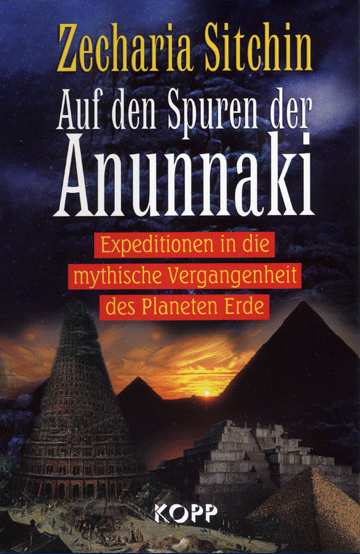
'End of Days' Now In Italian |
The End of Days, the concluding volume of Zecharia's 'The Earth Chronicles' series, has been published in Italian by Piemme, titled Il Giorno Degli Dei. 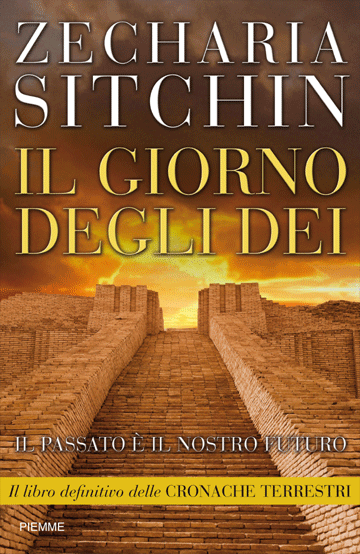
New DVD |
WILL THE END COME IN 2012?
In view of the growing speculation concerning 2012 - mostly using and misusing Zecharia Sitchin's revelations regarding the planet Nibiru and the Anunnaki - Zecharia has agreed to speak out and give his authoritative information on the subject in an exclusive 2-hour lecture and slide presentation. |
With a mass of evidence, he analyzes Mayan lore and ancient calendars, and guides the listener through biblical prophecies, to arrive at startling conclusions and precise predictions regarding the End of Days. 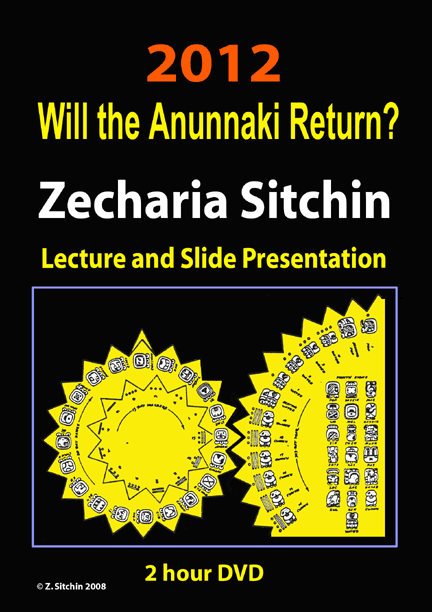
|
According to reports in the European press, "Enki" and "Nibiru" themes dominated a symposium held in Basel. Switzerland, on October 18, 2008, to discuss the ramifications of the "2012" prophecies. The gathering, attended by some 250 participants from across Europe, was in support of "Project Cheops", an initiative begun in 2001 in Poland to find the "Enki Connection" in Giza and Hawara in Egypt which – according to the speakers – "will enable Mankind to avert the looming 2012 catastrophies that will be caused by the return of Nibiru." "Project Cheops," according to these reports, is supported by scientists from the universities of Wroczlaw (Breslau) in Poland and Cairo in Egypt. The locations for the search for the "Enki Connection" have been indicated by Lucyna Lobos, a Polish seer, who in a keynote address at the symposium asserted that the god Enki had left at those sites instructions how to create an Earth Shield to protect our planet from the catastrophic effects of the looming proximity of the returning planet Nibiru, alias Planet X. She warned that efforts must be accelerated to find this data and create the shield before 2012. The Enki/Nibiru themes are, of course, borrowed from Zecharia Sitchin's books, which are published in Poland by Wydawnictwo Prokop of Warsaw. The University of Wroclaw, a major academic center in Poland, has invited Zecharia to a Sitchin Studies Day in 2009.
Extrasolar Planets |
Two astronomical discoveries concerning extrasolar planets made news on November 14, 2008. While both reaffirm what Zecharia Sitchin had suggested, more than 30 years ago, in The 12th Planet, one of the discoveries has amazing aspects that corroborate - and even explain - details of ancient 'myths'. 'Extrasolar planets' is the term used to call planets not in our Solar System, orbiting stars other than our Sun. Since the beginning of this century, more than 300 extrasolar planets have been found; but they have never been actually seen: Their existence has been surmised from gravitational tugs or other effects on their parent stars. The exciting news now is that two teams of NASA astronomers have managed to actually see and photograph such extrsolar planets, thereby confirming the existence of other solar systems in the universe. The pictures by the first team show not one but three planets - a veritable planetary system - orbiting the star HR8799 in the distant constellation Pegasus; the second team's pictures show a planet, estimated to be roughly three times Jupiter's mass, orbiting the bright star Fomalhaut. Sitchin's Audacious Assertion That planets might orbit stars other than our Sun has been theoretically held possible, though doubtful, for some time; but it was only in 1988 that Canadian astronomers attained the first-ever confirmed discovery of one such planet - a confirmation that was achieved only in 2003. Yet it was years earlier, when The 12th Planet was published in 1976, that Zecharia Sitchin made the audacious assertion that not only do extrasolar planets exist, but that other planetary systems can come into being, exist, and can also meet a violent end. He reached that conclusion by treating the Mesopotamian Epic of Creation Enuma elish not as an allegorical myth of Good v. Evil (as other scholars do) but as a sophisticated cosmogony scientifically relating our Solar System's history. Thus treated, he wrote, the text tells that our Solar System, when still in its early phase, was invaded by a foreign planet thrust out of its own solar system; eventually passing near our Solar System, it was pulled in by gravitational forces, ending up (after a collision) as a member of our Solar System. The Summaerians named it Nibiru; the Babylonians renamed it Marduk in honor of their national god. That scenario, which explains a host of astronomical enigmas, was illustrated in the book by several diagrams, including Fig. A: 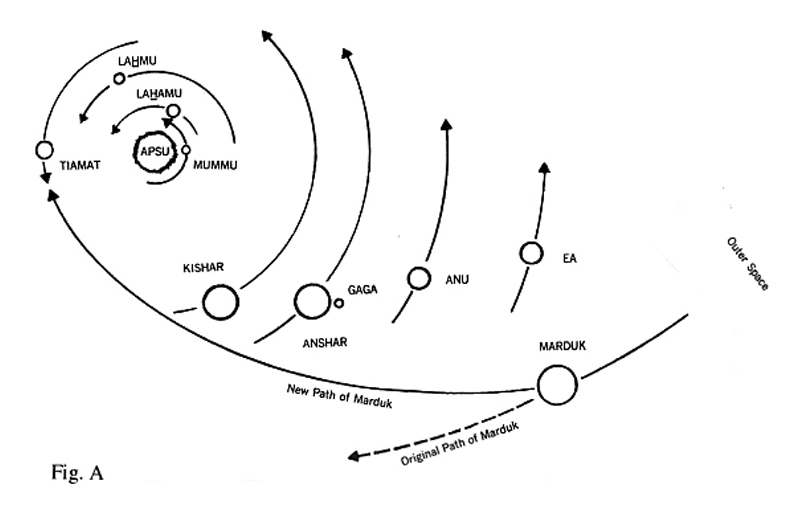 Amazingly, several highly intriguing aspects of NASA's discoveries mesh with ancient knowledge (what many deem myths or legends). The second team's newly discovered world orbits the bright southern star Fomalhaut, whose name (coming from Arabic) means 'The Fish's Mouth'. Very bright, it is the lead star in the constellation Piscis Australis - "The Southern Fish." Situated below (i.e. south of) the larger constellation Aquarius ("the Water Bearer"), it has been traditionally depicted as a fish nourished by water pouring down from the jar of Aquarius, and linking it to the larger neighboring constellation Pisces (that is depicted by two fishes). As Greek and Roman astronomers going back to the 3rd century B.C. attested, these three constellations were deemed to occupy the 'watery zone' of Neptune in the heavens - a tradition going back to ancient Mesopotamia which associated the three with the god E.A. ("He whose home is water"), the original god of the Seas and their Fishes (see Fig. B). Greek savants also quoted the tale by the Babyloniam priest Berossus of the divine Fish-man 'Oannes' who had waded ashore from the Persian Gulf and gave Mankind civilization. These details dovetail with Sumerian texts according to which EA (later also knowns as ENKI) was the leader of the first group of astronauts from Nibiru who splashed down in the Persian Gulf and waded ashore, dressed as Fishmen (Fig. C). 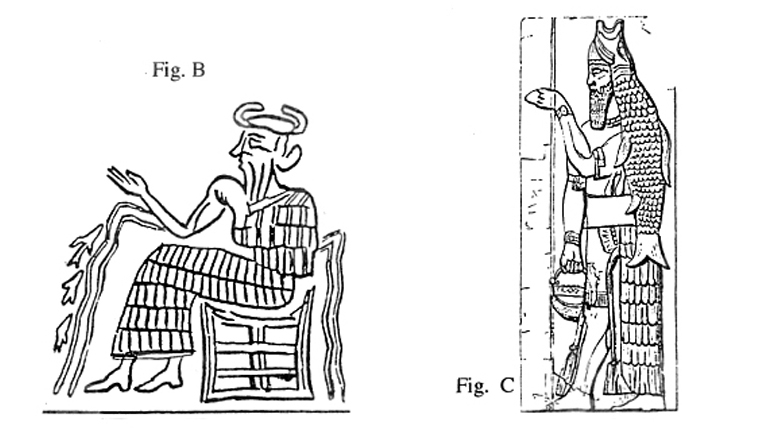 Uncanny Explanation of a Sumerian Puzzle NASA's discovery of a large planet orbiting the lead star in the Southern Fish constellation may even go beyond fitting in with ancient 'myths' - it might actually explain an enigmatic passage in Enuma elish. The text - treated by Sitchin literally, not as allegory - describes the formation of our Solar System's various planets, ending with "EA" (which we call by its Roman name Neptune) as the outermost. It then ascribes to EA/Neptune the feat of "begetting" into our Solar System the alien planet that came into being elsewher - "in the heart of the Deep." yet although "engendered" far away, 'Marduk' was considered to have a genetic link to EA as his son. Could then the Deep where Marduk was engendered mean not simply Outer Space, but a specific constellation belonging to EA's celestial realm - such as the Southern Fish? The Origin of Our DNA? If so, the new discovery reveals not just from where Nibiru/Marduk had come. Since (according to Enuma elish) it brought the "Seed of Life" (DNA) into our Solar System - the discovery also indicates the source where lifegiving DNA can be found. It is a short 25 light years away - "close enough to contemplate sending spacecraft there." Dr. Paul Kalas, one of the new planet's discoverers, told the New York Times. He could be right in more ways than he realizes. The 12th Planet and other Sitchin books are available in hardcover (Bear & Co.) and paperback (HarperCollins) at all major bookstores.
Wars in Heaven, Wars on Earth
|
|
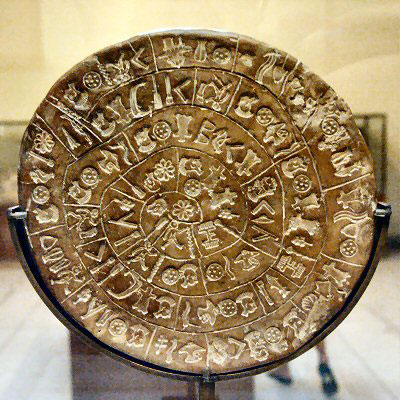
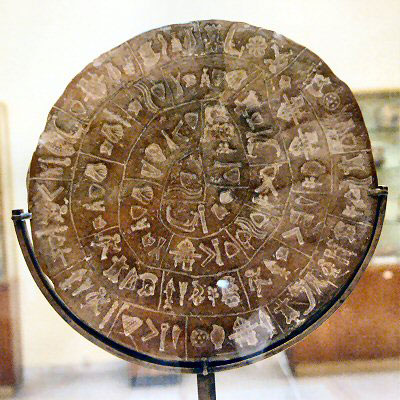
THE ENIGMA OF THE ‘PHAESTOS DISC’ It was on July 3, 1908 - exactly one hundred years ago - that an Italian archaeologist, excavating a Minoan site in southern Crete called Phaestos, discovered in its ruins a clay disc bearing unknown symbols on both sides. The discovered object, a disc about 4.5 inches in diameter, has since come to be known as The Phaestos Disc; and for a century now has baffled all who tried to unravel its mystery: For there has been found no other object like it, no writing as its pictographs, no inkling regarding its language, or to what people it owes its existence. Yet there it is, for anyone interested to see, in Crete's Iraklion Museum.
On one of my Earth Chronicles Expeditions tours, we went to Crete. A must see are the ruins of Knossos, the Minoan capital excavated by Sir Arthur Evans. We also went to the Museum to see the disc; and I told the guide: I want to visit Phaestos. No one goes there, she said; there is nothing there to see, she said - just ruins of some buildings. But I insisted: There's something on the disc that intrigues me! We intended to spend a quick one hour there; we ended up being there the whole day. It was a day of thrilling discoveries. These were not just "some buildings". We found merchants' stalls, each identified with stone blocks inscribed with product symbols. We found evidence that the place was a copper processing facility, that it had a connecting slideway to the seashore below. This was a commercial and industrial center, next to sea lanes! What was it about the disc that made me want to come here? Our guide asked. Contrary to accepted wisdom that the disc's pictographs are unique, I said, I have seen some of them before: Ships and men with a plumed headdress - in Egypt and in Mayan Chichen Itza in Mexico! You can read more about my guess that they were the mysterious "People of the Sea" and might have reached the Mediterranean from the Americas, in my book The Earth Chronicles Expeditions. It's an appropriate centennial anniversary thriller. ZECHARIA © Z.Sitchin 2008 Permission to reprint is hereby granted on condition that the following is prominently stated:
|
Mail I receive from readers often contains a press clipping or an internet printout with some news item, accompanied by the comment “But this is exactly what you’ve said in your book…! "As often as not, I nod my head in a ‘I know, I know’ gesture and file the item away; as I thank my fan I sometimes add the admonition: Why do you tell it just to me? Tell it to the newspaper (or to the archaeologist or scientist) who made the announcement! Let me share with you two recent examples: The Case of the Golden Necklace Some media outlets picked up a sensational discovery made in Peru that was announced on March 31, 2008 by a group of U.S. archaeologists: In a crude burial site high in the Andean mountains, they found next to a crumbling skull a beautiful golden necklace consisting of nine golden cylindrical ‘beads’ separated by green colored rings made of semi-precious stone.
|

|
The sensation: C-14 dating dated the burial to 2155 B.C. – a time when the primitive “hunters-gatherers in the Andes” could not possibly have the metallurgical and other ability to make the necklace! Voicing their amazement, the archaeologists suggested that the find may have to alter current perceptions of the abilities of “primitive people” etc, etc. “Ken” from Missouri City, Texas, who has sent a printout to me, added his notation: “Why don't they do the math? 2 + 2 = Sitchin + Anunnaki.” Why? Because the find was made at a site near Lake Titicaca - and in my books I wrote that after the Deluge the Anunnaki transferred their gold-obtaining operation to that region, bringing over by 3000 B.C. expert miners and metallurgists from the ancient Near East. (See especially The Lost Realms).
|
A letter from a Mr. Oswald in Austria and faxes from readers in Turkey alerted me the same week to headline news regarding discoveries at a mound called Goebekli Tepe near the town of Urfa in southeastern Turkey. There, stone columns, some with carved animal images, appear to have been erected in a manner suggesting a worship site; dated by the excavators to earlier than 4000 B.C., it would be the oldest ‘temple’ in the world! I was in Urfa several years ago; there are many mounds needing excavation all around (the local legends associate the place with Abraham). So why the headlines now if it’s maybe that old, maybe a worship place? Well, it’s because the lead archaeologist, Klaus Shmidt, at a press conference, linked the place to the beginning of agriculture and to “the Sumerian Du.Ku and the Anunna, very ancient gods without individual names”! “If he is not a Sumerologist, did he pick it up from your books?” my readers asked me. He must have – from the The Wars of Gods and Men. There, of course, I not only quote the Sumerian clay-tablet texts, but also give the names of the Anunnaki leaders involved: Enki and Enlil… © Z. Sitchin 2008 Permission to reprint is hereby granted on condition that the following is prominently stated:
|
|
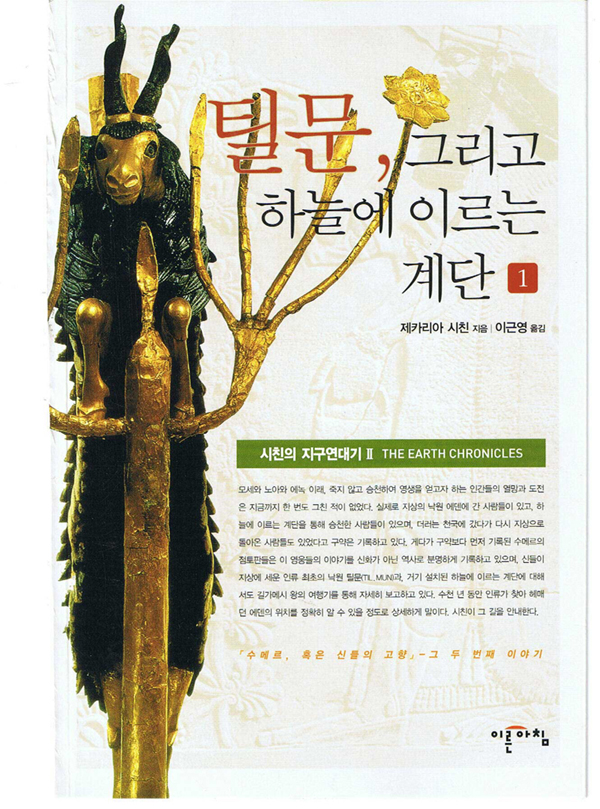
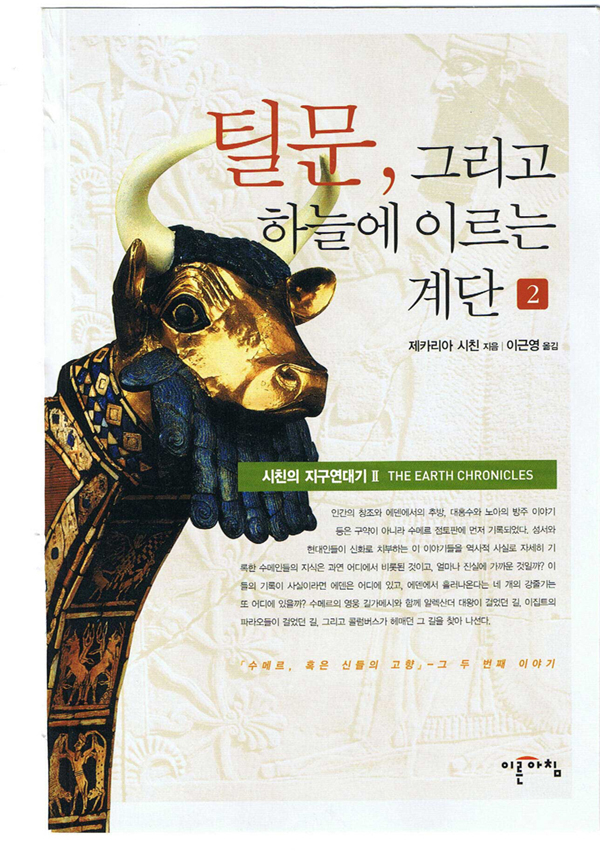
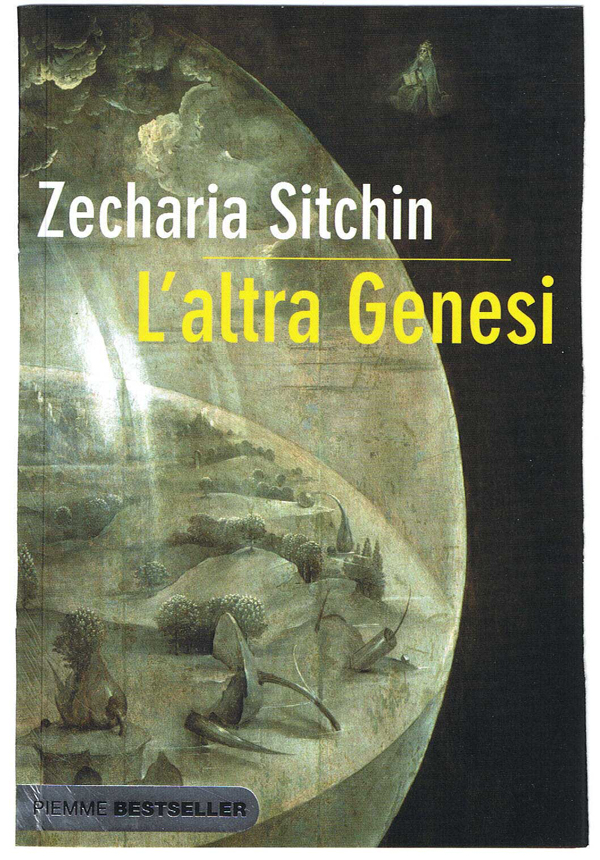
KOREA: Zecharia’s book The Stairway to Heaven has been published in Korean by Early Morning Books Publishing Co. of Seoul, which has already published The 12th Planet. The beautifully designed book is offered as a two volume edition. POLAND: Wydawnictwo Prokop of Warsaw, which has been publishing Zecharia’s books in Poland, has rushed into print The Earth Chronicles Expeditions; the edition shows on the cover the historical Gihon Spring in Jerusalem and includes all the original color plates (in addition to the numerous text illustrations). ITALY: Zecharia’s Genesis Revisited has been republished by Edizioni Piemme of Milan in the prestigious Piemme Bestseller series.
|
SO WHAT IS IT?
|
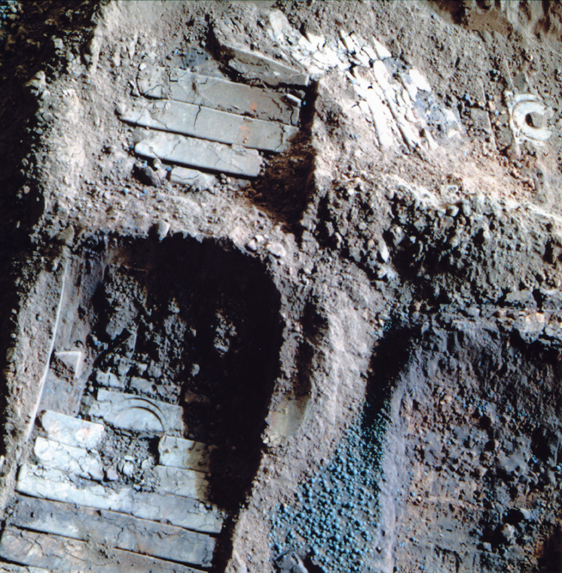
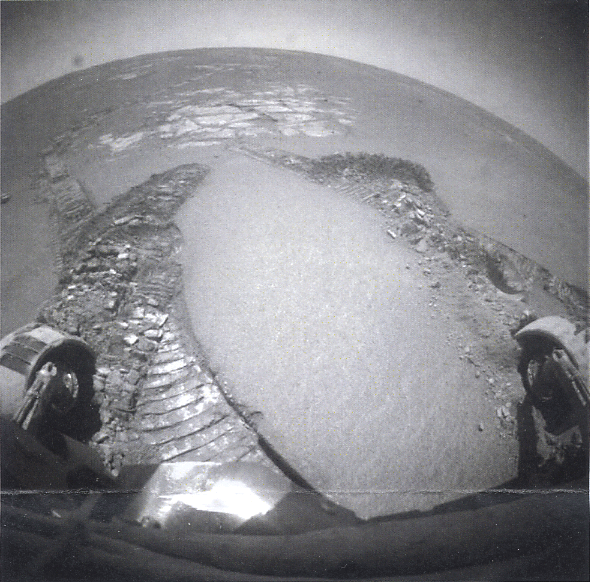
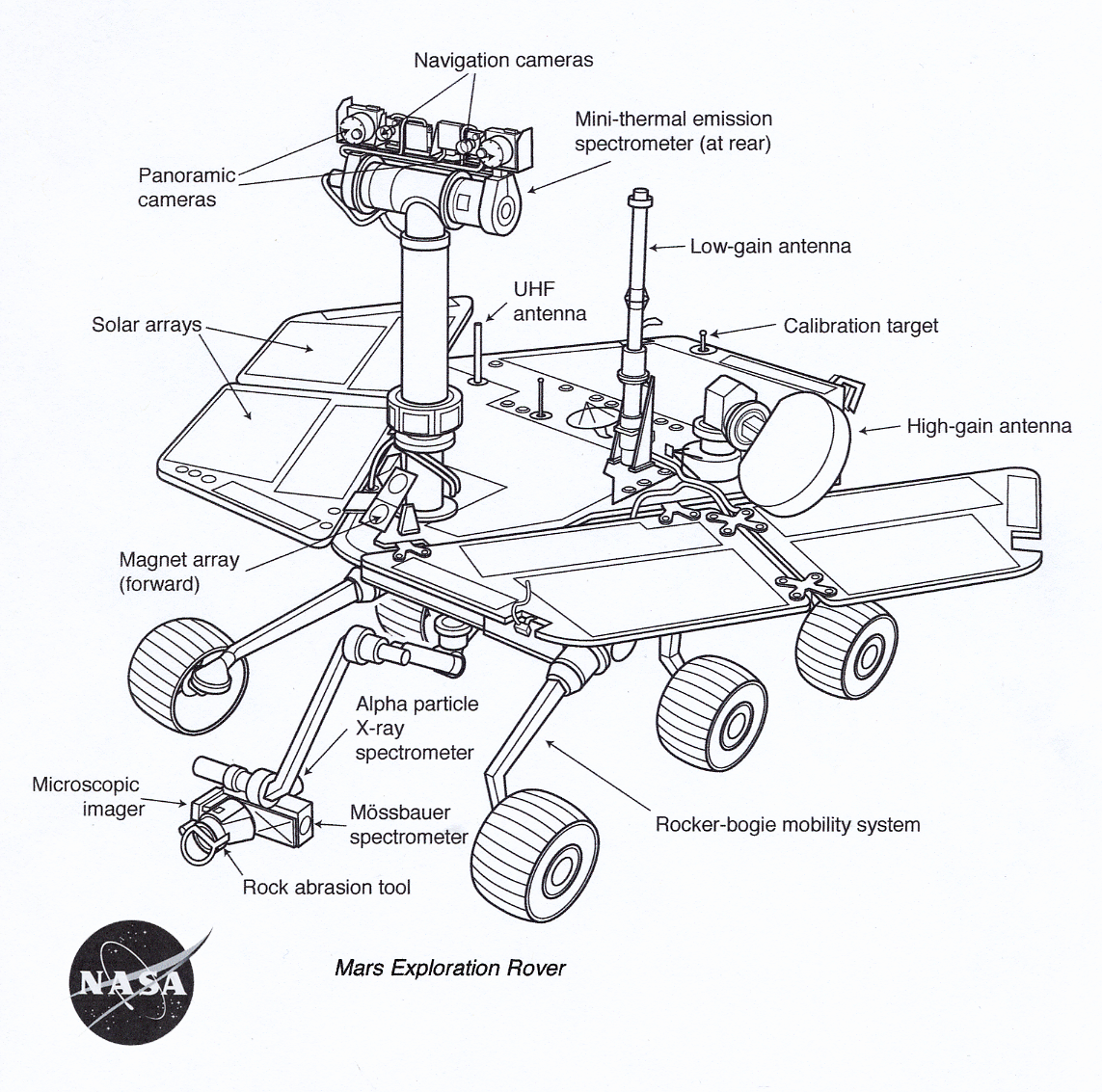
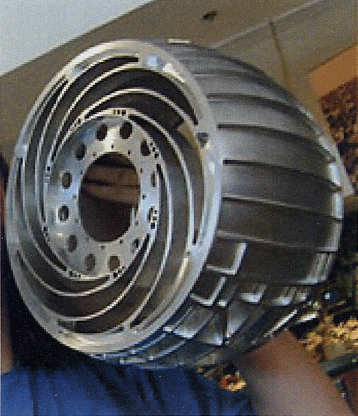
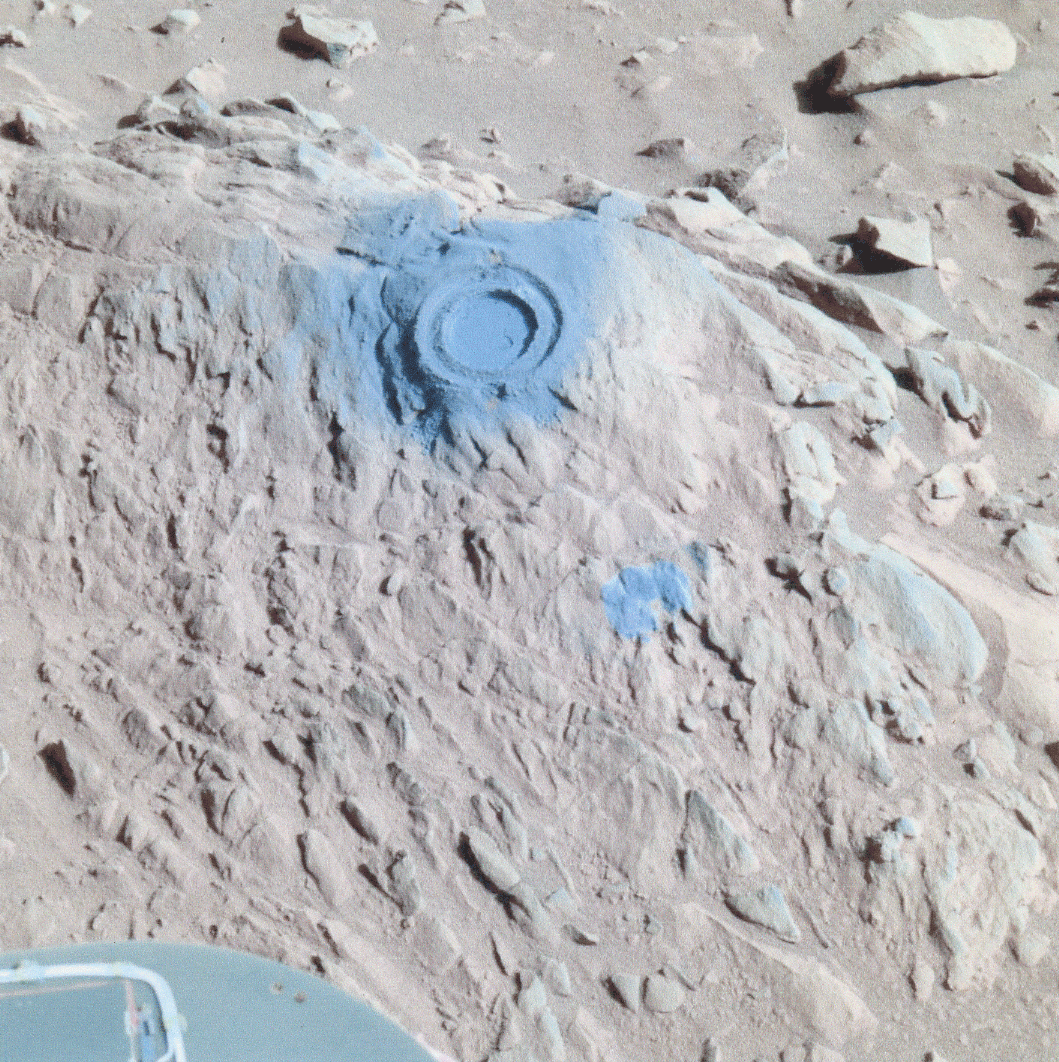
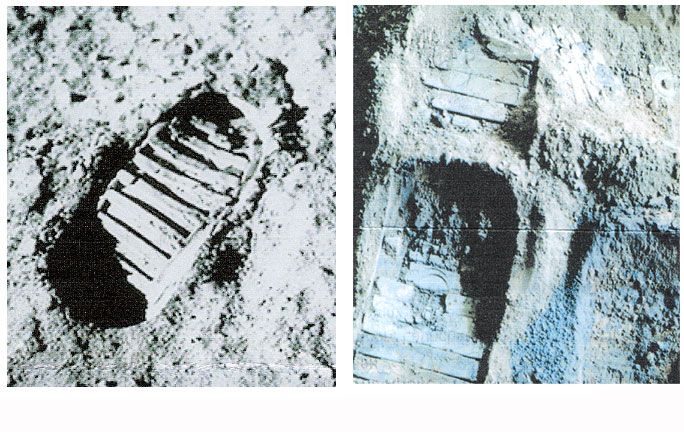
Several weeks ago, a photograph (Fig. 1) was posted here and readers were asked, “What is it?” The correct answer: It is a photograph from the surface of Mars. Specifically, according to NASA: Wheel prints of the Mars rover Opportunity in Meridiani Planum, showing a cluster of greenish tiny balls (nicknamed “Blueberries”) of hematite (iron oxide) that can form only in the presence of water. When I first saw this photograph (in an issue of The Planetary Report) I scratched my head. The rover, as (Fig. 2) shows, moves on six wheels -- three on each side. The wheel treadprints, as (Fig. 3) shows, form continuous double tracks. Yet here there is a distinct untreaded break, a disconnection; how is that possible, if the camera is looking back on where the rover had passed? Also, the wheels (see Fig. 4) are slightly convex (like the boards in a wooden barrel), leaving (see Fig. 3) a slightly rounded imprint; yet here the segments are perfect elongated 90º rectangulars. And they are laid out tightly like stone slabs next to each other, without the separation between the “slabs” that must be caused by the wheels’ ribs. How come? The circular indentations (bottom left, upper right) in (Fig.1 ) are explained by NASA’s analysts as the marks left by Mossbauer Spectrometer as it punches the soil to analyze it. But that instrument (see Fig. 2) lies in the rover between the two rows of wheels; yet the bottom left circular imprint is smack within the wheelprint. How can it be? This imprint is also different from both the one on the upper right (made by Opportunity’s instrument) and an imprint (Fig. 5) left by the similar instrument on the twin rover Spirit (that roams on the other side of Mars). The difference remains unexplained. In response to the question “What Is It?”, scores of answers were mailed in -- from all over the world. A few answered it exactly NASA’s way: Pribyl Frantisek of the Czech Republic; Frank Rumore of New Jersey; Mark Keller of Virginia; Mrs. B.J. Stewart from Canada; Bill Stanley of Tennesee; Mark Miller of Appleton, Wisconsin and Tony Giovanni of Nevada. Most of the other answers suggested a “footprint” of sorts on the Moon or Mars. Many realized that the “Blueberries” indicated a site on Mars; but, as some explained, the ‘disconnection’ suggested a bootprint rather than a wheel’s track, so it had to be where Man had gone: The “footprint” of an Apollo astronaut’s boot on the Moon (Fig. 6a). What threw them off, and the other discrepancies detailed above, remain cause for continued headscratching. March 2008 |
Zecharia |
|
|
|
EXISTENCE OF SECRET CHAMBER IN GREAT PYRAMID 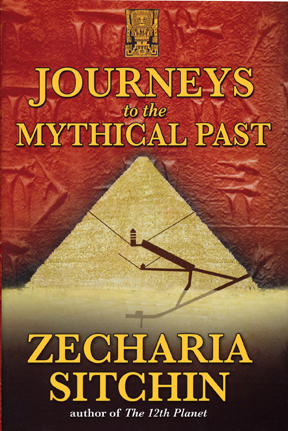
|
A hidden tunnel leads to an unknown secret chamber inside Egypt's Great Pyramid, according to Zecharia Sitchin, the internationally acclaimed author of twelve books on ancient civilizations. The revelation, made in his just published book Journeys To The Mythical Past, is accompanied by photographs taken inside the secret chamber and the tunnel leading to it, and details the unrelenting and sometimes dangerous pursuit of clues that led to the discovery. The thoroughly documented revelation suggests that the existence of the hidden chamber has been kept a secret for more than a decade, but leaves unanswered the questions of Who had dug the tunnel, What was found in the chamber when it was broken into, and Why has its existence never been officially disclosed. Months before the book's publication the author has alerted the principal Egyptian archaeological authority of the coming revelation, seeking any kind of comment. To date, none has been provided. The book, published by Bear & Co. of Rochester, Vermont, throws light on other ancient enigmas, such as the Nazca Lines or the incredible Antikythera Computer. The book has already gone into a second printing
|
Here is some "Sitchin Memorabilia" news:
|
Zecharia's Books are published by HarperCollins (paperback) and Inner Traditions/Bear & Co. (hardcover) | ||||||||||||||||||||||||||||||||||||||||||||||||||||||||||||||||||||||||||||||||||||||||||||||||||||||||||||||||||||||||||||||||||||||||||||||||||||||||||||||||||||||||

 Subscribe
 Zecharia Sitchin's Books and Videos
Articles
Links On This Page
Zecharia Sitchin Rememberance, 2021
Earth Chronicles Expedition Videos
A Personal Documentary and Tribute to Zecharia - available now
Why Jerusalem? - the last lecture
Is There a Nibiru?
Video Links Updated
French Editions added
Spanish Editions added
Video Links added
Bablylonians calculate movement of Jupiter via geometric formulas
Ninth (really tenth) Planet in our Solar System?
New Book - The Anunnaki Chronicles
NASA's New Horizons to View Pluto for the First Time
Nibiru Mention in Major Film
HOT NEWS - New Book to be published - The King Who Refused to Die
Sitchin Studies Day - October 9
Cuneiform Resources
In Memoriam - A Year Has Passed
October 9 - Annual Sitchin Studies Day
Kindle E-Book Editions Available
Mayan 2012
Book News: French Editions of The Lost Book of Enki, The End of Days and There Were Giants Upon the Earth
Genome Study Update
Inner Circle Pays Tribute
Sad News: Zecharia Sitchin passed away on October 9, 2010
Goddess of Ur Genome Project
Book News: There Were Giants Upon the Earth Spreads Globally
Book News: There Were Giants Upon the Earth
The End of Days in Your Language of Choice
Now It's Also in China
Zecharia Featured in The New York Times
DVD: Are We Alone?
France: Here We Go Again...
Astronomy: So, You See, As Nibiru Orbits...
A Newfound Audience
So It's 25 Now
Astronomy: The Case of the 'Yo-Yo Planet'
Books News: Chinese
Nice Group
The Rush Back to Phobos
Earth Chronicles Handbook Book News
Earth Chronicles Handbook Collector's Edition
Global Warming
New Book Just Published!
New Discoveries Corroborate Sitchin
Book News
New DVD: Will The End Come In 2012?
"2012" Symposium
Extrasolar Planets
Wars in Heaven, Wars on Earth
Inconvenient News from the Moon
The Enigma Of The 'Phaestos Disc'
DVD: Is the Past Our Future
The Case of the Golden Necklace
The Case of the Oldest Temple
Books News: The End Is Now In Paperback...
Book News: Around The World
So What Is It?
U.S. Army Playing Cards Emulate A Sitchin 'First'
Secret Chamber In Great Pyramid
DVD: "A Talk From The Heart"